Status
Released
original language
English
Budget
$ 0
Revenue
$ 0
Top Billed Cast

John Barrymore
Dr. Henry Jekyll / Mr. Edward Hyde
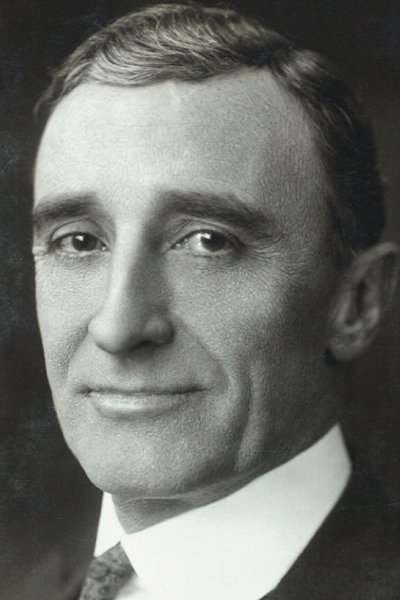
Brandon Hurst
Sir George Carewe
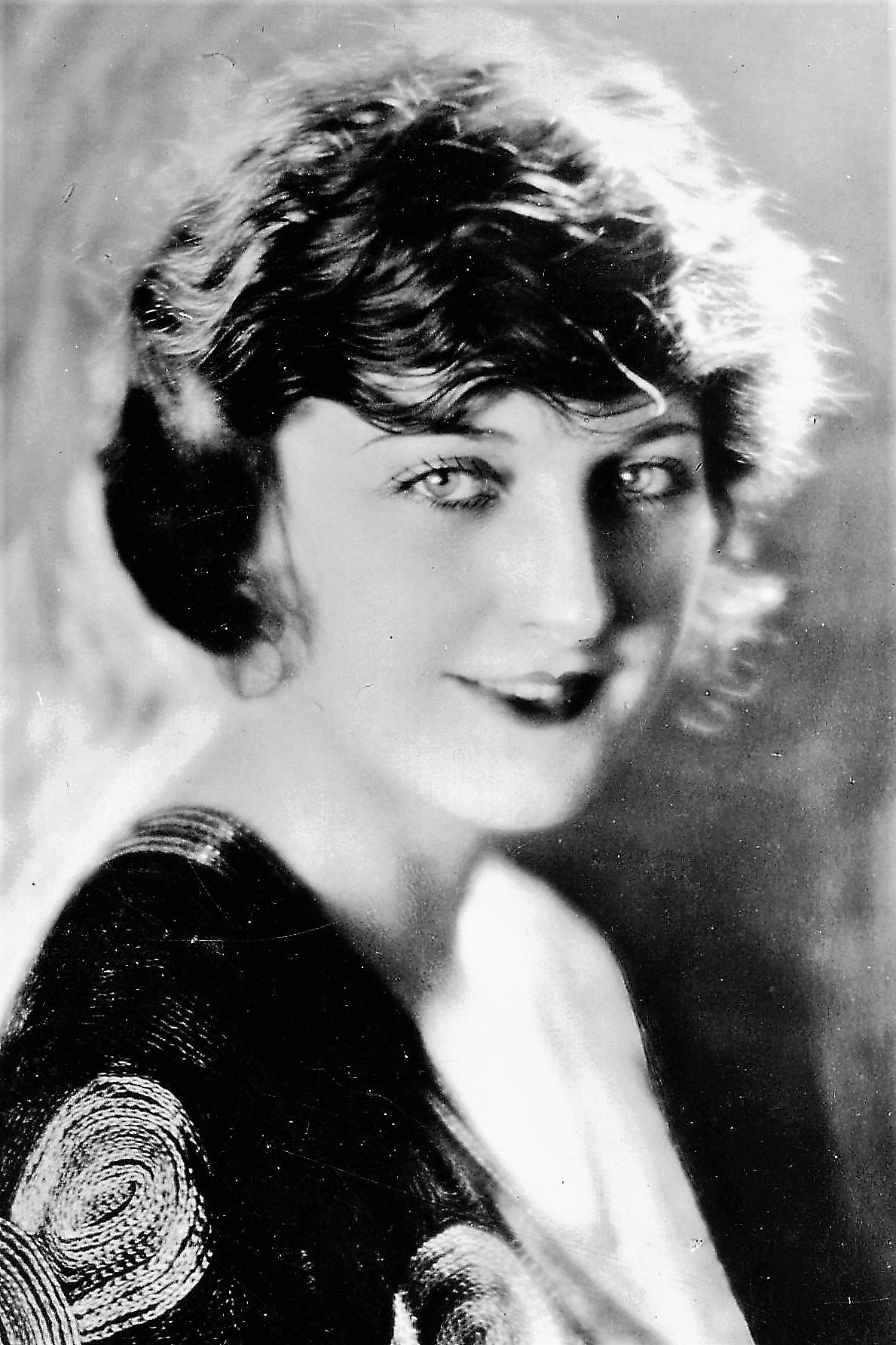
Martha Mansfield
Millicent Carewe

Charles Lane
Dr. Richard Lanyon
Cecil Clovelly
Edward Enfield
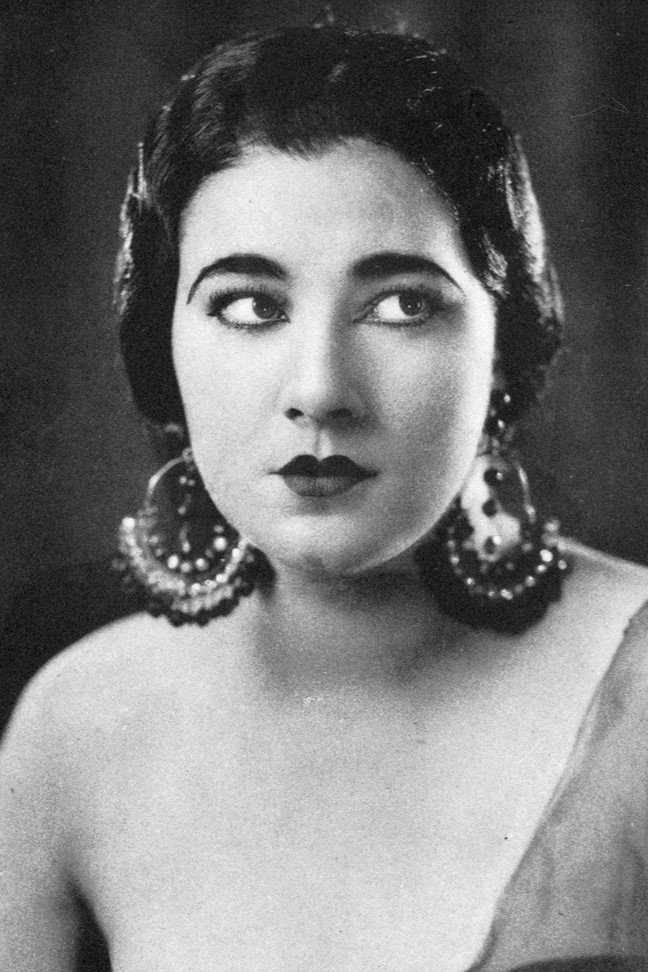
Nita Naldi
Miss Gina
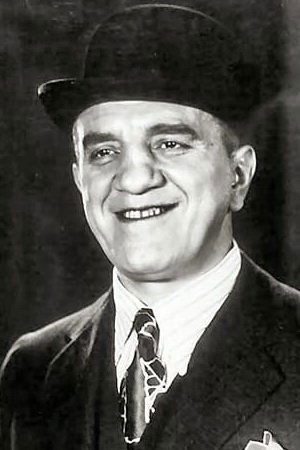
Louis Wolheim
Music Hall Proprietor
Alma Aiken
Extra (uncredited)
J. Malcolm Dunn
John Utterson (uncredited)
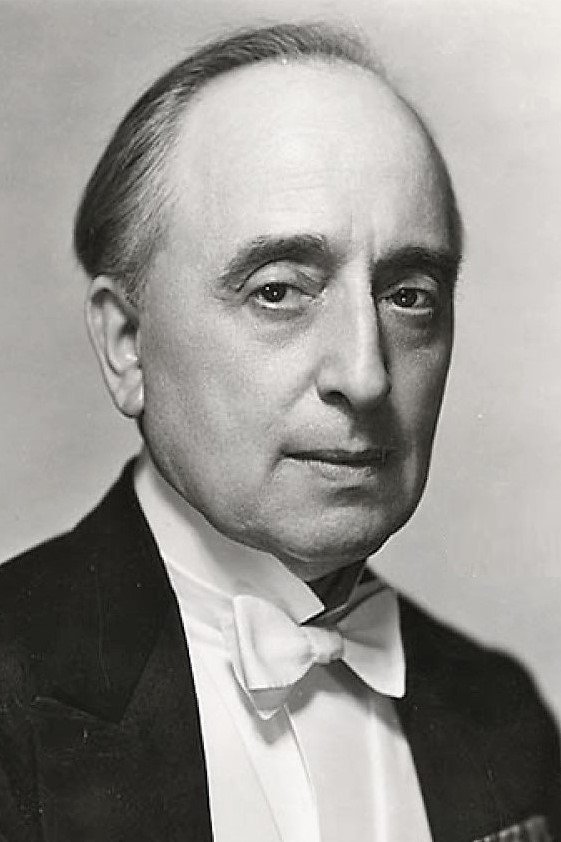
Ferdinand Gottschalk
Old Man at Table in Music Hall (uncredited)
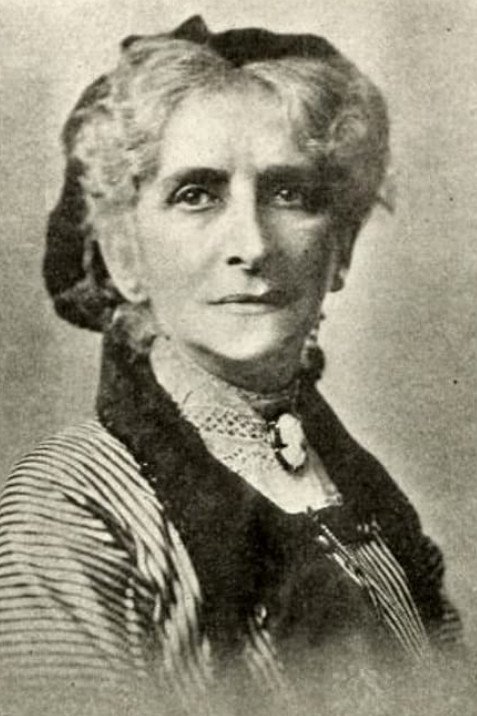
Julia Hurley
Hyde's Landlady with Lamp (uncredited)
Jack McHugh
Street Kid - Raises Fist to Mr. Hyde (uncredited)
Georgie Drew Mendum
Patron in Music Hall (uncredited)
Blanche Ring
Woman at Table with Old Man in Music Hall (uncredited)
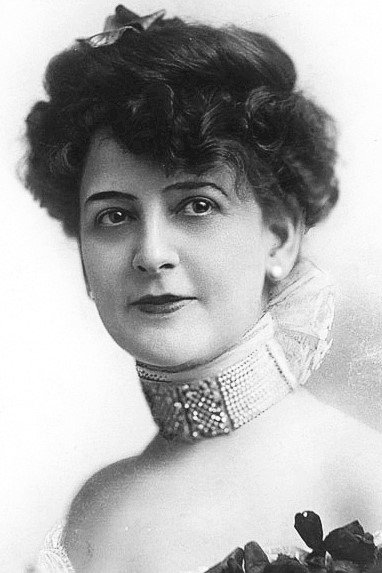
May Robson
Prostitute at Clinic (uncredited)
George Stevens
Jekyll's Butler Poole (uncredited)
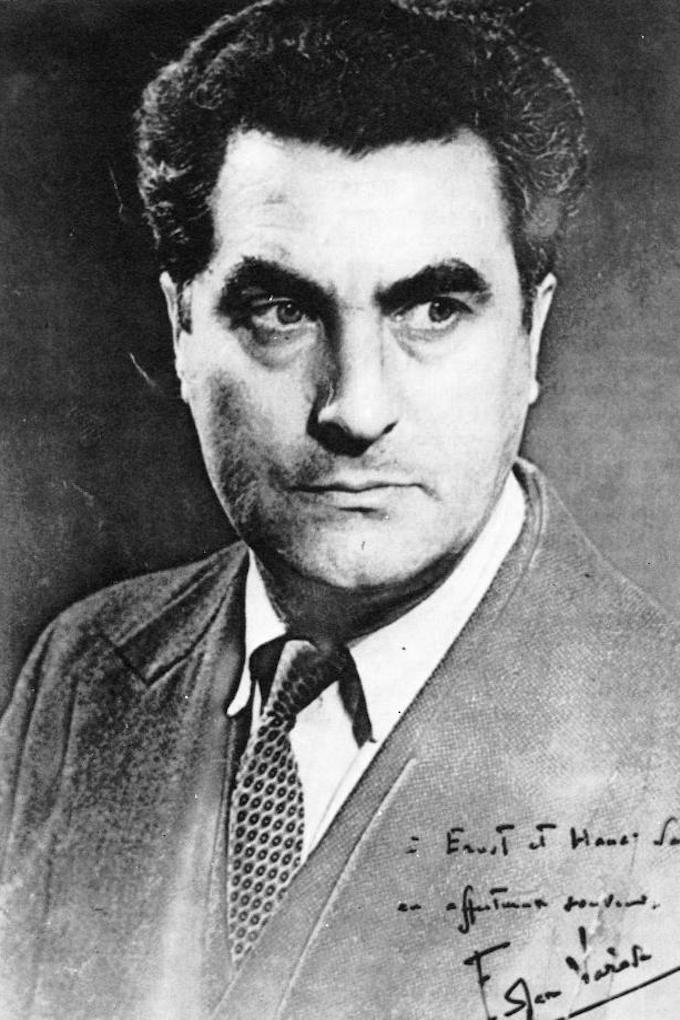
Edgard Varèse
Policeman (uncredited)
Similar Movies


Movie Reviews

A review by talisencrw
Written by talisencrw on 2016-08-23
A very good early silent with both exquisite direction and a fine acting performance by John Barrymore. Well-worth checking out for cinephiles with a heightened interest in the origins of American horror cinema.

A review by Geronimo1967
Written by Geronimo1967 on 2022-06-06
I'd have to admit that John Barrymore was certainly no oil painting. Unlike so many silent-era film stars, he could actually act, rather then just look longingly into the camera and/or the gal's doey eyes. Here he portrays Robert Louis Stevenson's eponymous characters with quite some menace and skill. The story of the eminently respectable "Jekyll" who is fascinated by the human psyche and who experiments with mind/body altering drugs, discovering his inner and pretty unpleasant id in "Mr Hyde" in the process. There now follows a battle royal between the two personalities, the decent and the monstrous, and it rapidly becomes unsafe for those around him - including "Millicent" (Martha Mansfield), whom "Jekyll" loves, and even music hall girl "Gina" (Nita Naldi), the object of the desires of his alter ego. Barrymore is great, here - though some of his transformation scenes did remind me of a rather crazed Richard III playing an invisible piano. Using some dark and dingy locations, the clever use of shadow and Barrymore's own ability to create a considerable sense of menace, this really does have the hairs on the back of your neck paying attention. The visual effects are effective and John Robertson gives us a good solid, adaptation of an eerie, provocative story that still captures the imagination now, but without the characterisations being compromised or overly relying on CGI and the like to distract us from the on-screen antics. Whilst I wouldn't say it was the best - the 1931 version was a cracker too, it is one of those stories that resonates now, as it did then, and this is a terrific interpretation.