Status
Released
original language
ko
Budget
$ 0
Revenue
$ 7600000
Top Billed Cast
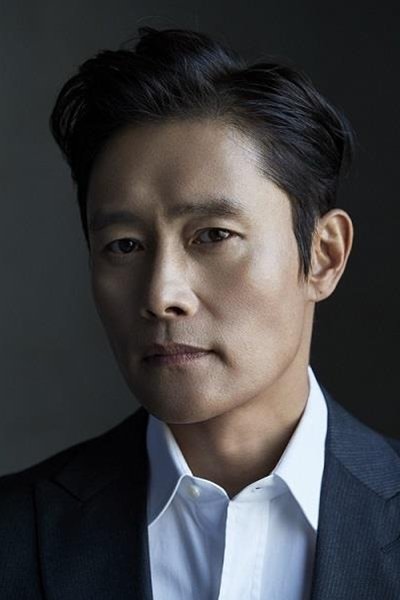
이병헌
Sun-woo
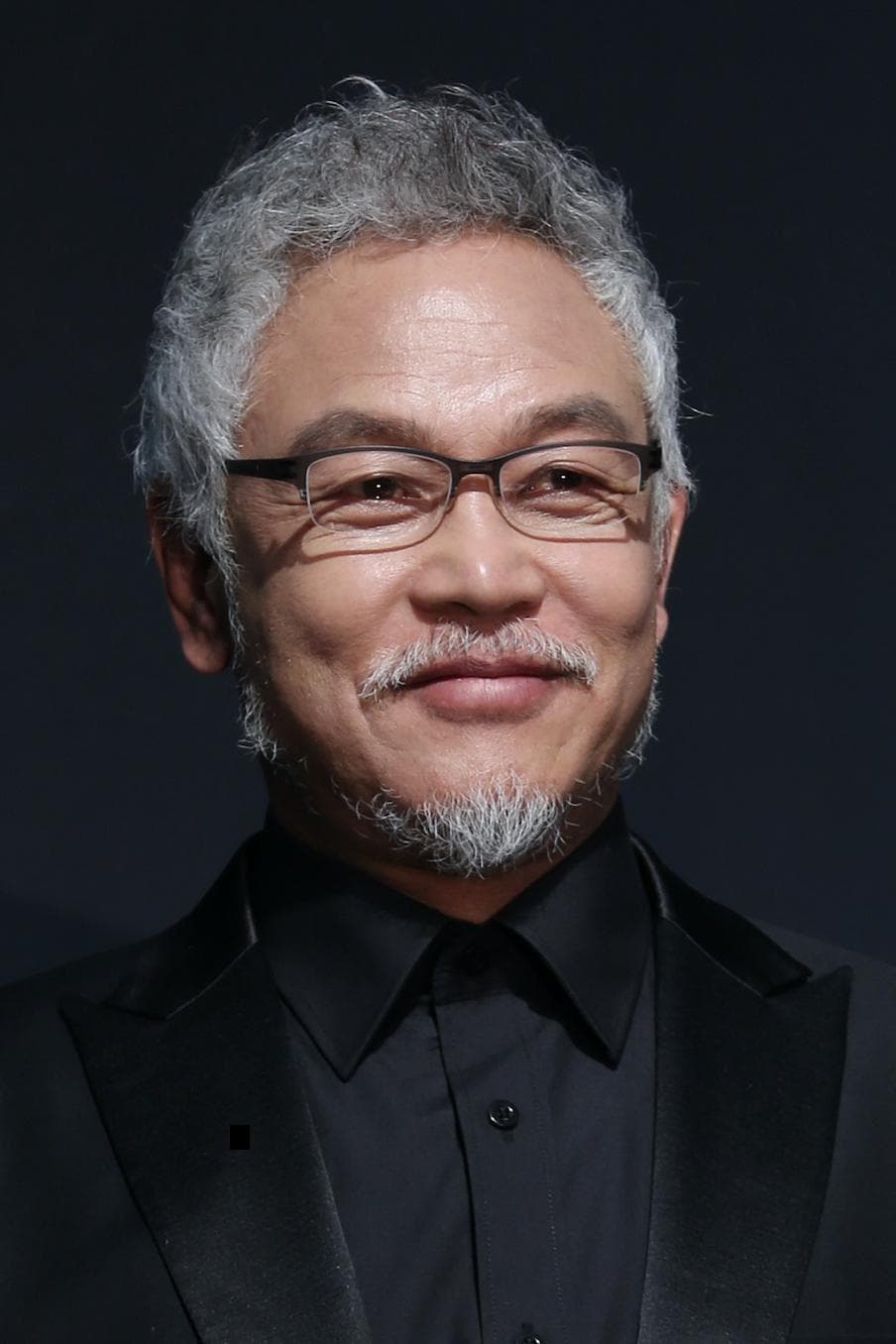
김영철
Mr. Kang

신민아
Hee-soo
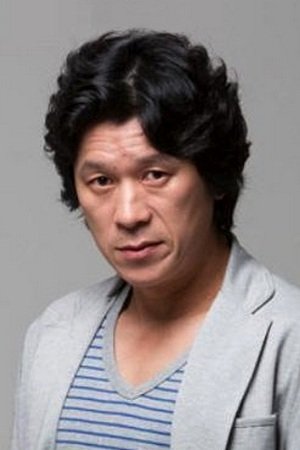
김뢰하
Moon-seok

이기영
Oh Moo-seong

황정민
Mr. Baek

에릭
Tae-goo
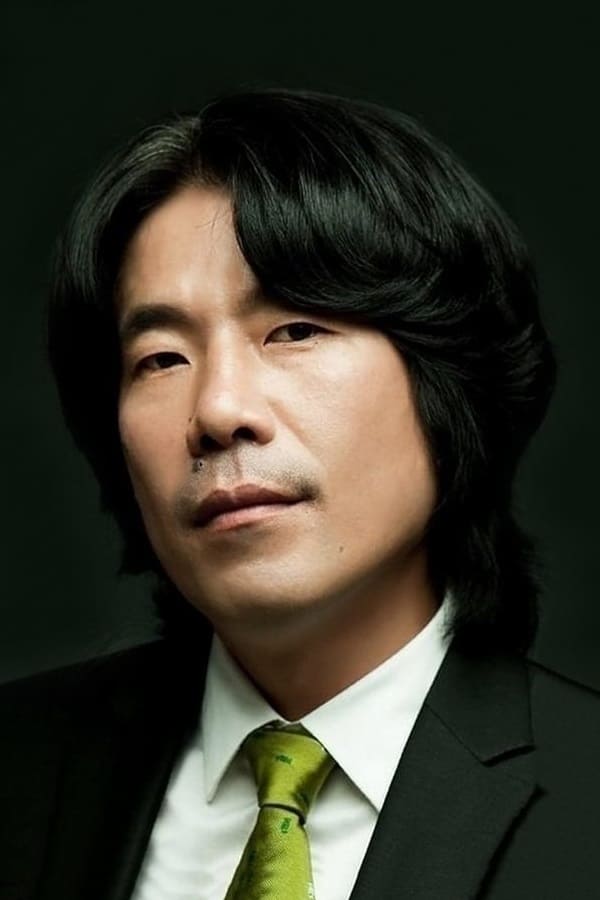
오달수
Myeong-goo
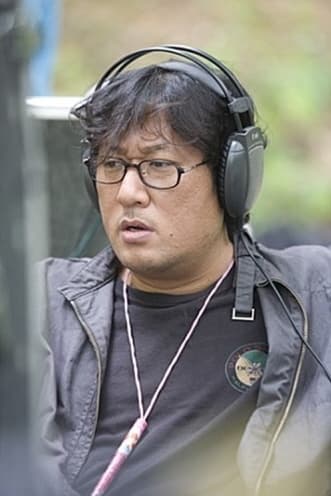
김해곤
Tae-woong

김한
Se-yoon

진구
Min-gi

이항수
Chairman Won
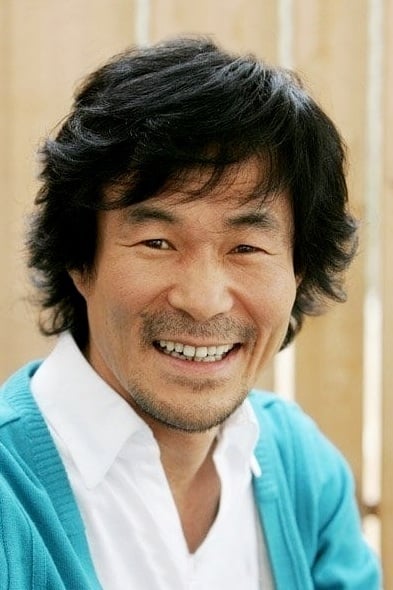
오광록
Gangster
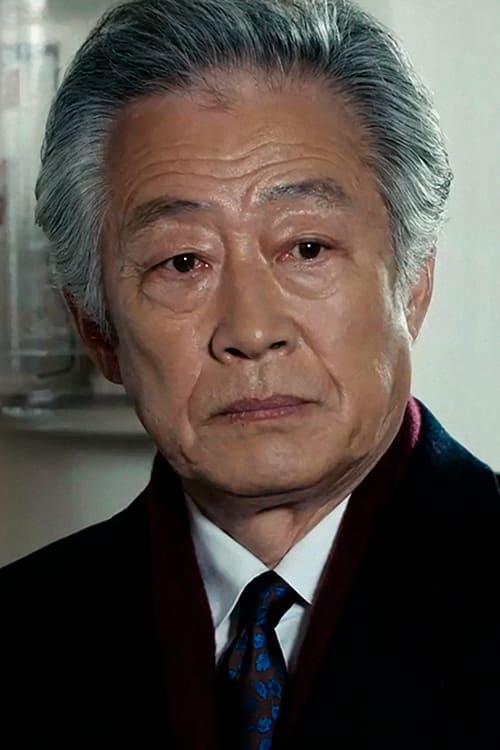
전국환
Chairman Baek
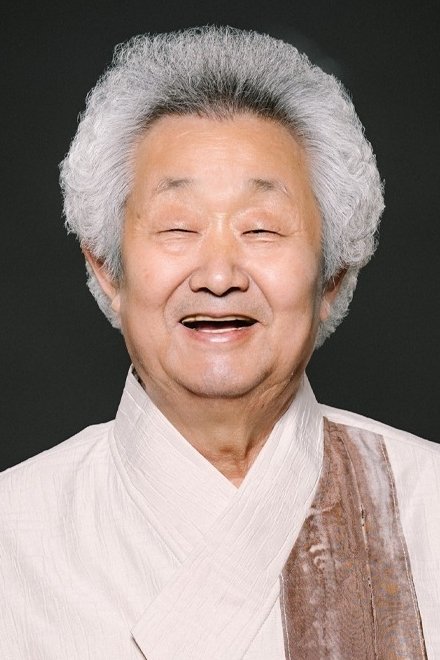
이승호
Mr. Park
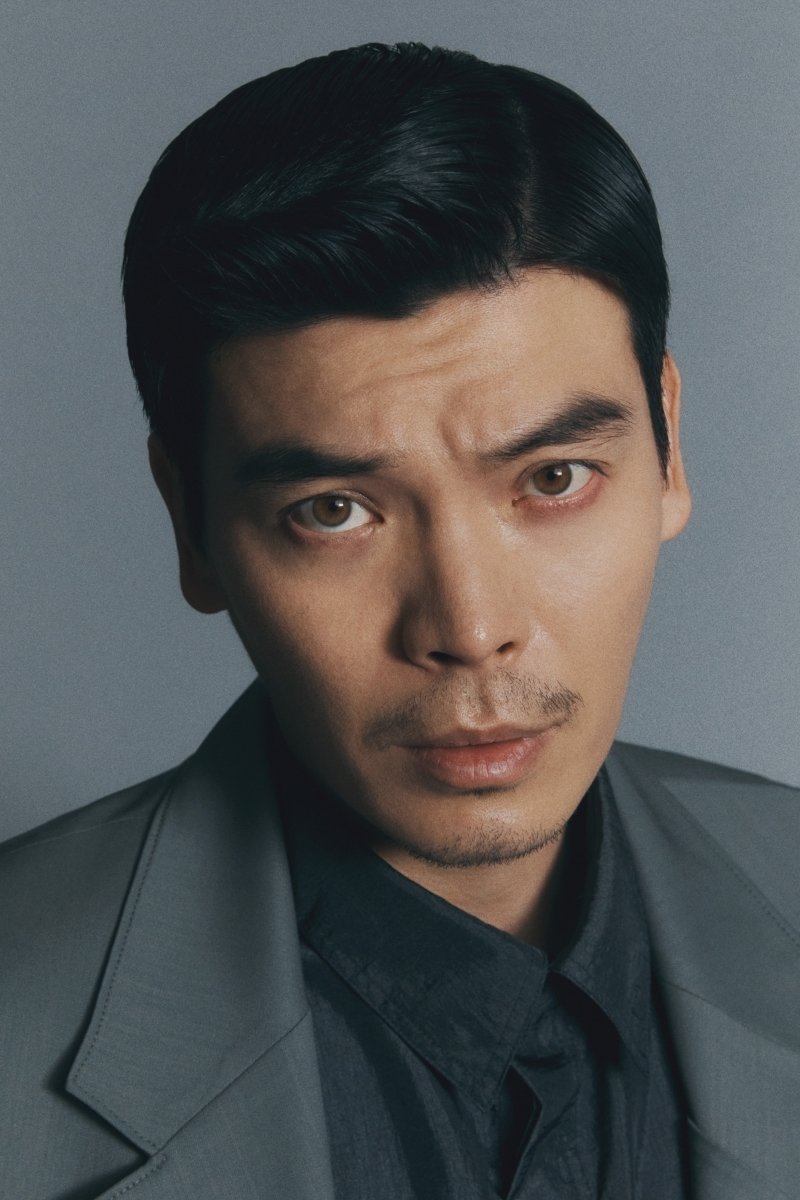
김성오
Moo-seong's Subordinate

이한솔
Moo-seong's Subordinate

Вадим Леонідович Домащенко
Mikhail
Sonny
Filipino Gang
Nico
Filipino Gang

김수남
Shoulder Bag
Kang Young-gu
Shoulder Bag

허명행
Shoulder Bag
Jeong Goo-jin
Shoulder Bag
Wang Deok-sang
Shoulder Bag
Jang Jae-yong
Recording Studio Engineer
Lee Ahn-gyoo
Recording Studio Senior
Jeon Na-hyeon
So-yeong

박진우
Cheol-moon
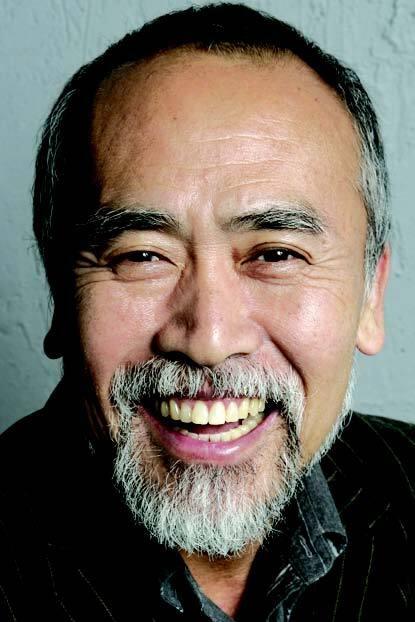
우상전
Mr. Seong
Jeong Gye-soon
Grandmother

정유미
Mi-ae
Choi Si-yeong
Mr. Kang's Wife
Lee Jae-ook
Taxi Driver
Ahn Jang-hyeok
Passage Subordinate
Hwang Dong-seok
Passage Subordinate
Kim Pan-seon
Meeting Room Subordinate
Jeong Won-kyeong
Pit Shoulder
Jo Seon-haeng
Mr. Kang's Driver
Kim In-oh
Night Club Employee
Seo Jeong-hee
Lounge Manager
Kim Hyo-hyeon
Bartender
Choi Hyo-hyeon
Bartender
Song Sang-ook
Lounge Male Employee

곽민호
Lounge Male Employee
Kim Hee-jin
Lounge Female Employee
Kim Byeong-gook
Lounge New Manager
Hong Eun-mi
Lounge Guest
Kim Jae-ok
Lounge Guest
Ryoo Chang-hoon
Recording Studio Engineer Assistant
Park Jong-min
Recording Studio Male Employee
이경원
Recording Studio Female Employee

Kim Ji-hoon
Pianist
Yoo Joo-hyeon
Violinist
Lee Ji-hee
Violinist
Song Jae-ha
Viola
Kang Min-hee
Double Bassist
Kwon Ye-ji
Hongdae Club Guest
Park So-jeong
Hongdae Club Guest
Jo Jung-hee
Night Club DJ
Kwon Chae-yeong
Room Lady
Jeon Hye-min
Room Lady
Kim Eun-ji
Room Lady
Jo Seung-ryong
Waiting Room Player
김태희
Waiting Room Player

유상섭
Moon-seok's Subordinate
Kim Dae-yong
Moon-seok's Subordinate
Jeong Yun-Heon
Moon-seok's Subordinate
백동현
Moon-seok's Subordinate
Yoon Jin-yool
Leg Car
장한승
Leg Car
Seo Joon-ha
Leg Car
정미혜
Middle-Aged Woman
최창균
Mr. Kang's Assistant

박선웅
Gyeong-pyo

오유진
Korean Restaurant Employee

박성균
Shoulder Bag

김지운
Lee Byung-hun's Hand Stand-In (uncredited)
Similar Movies
















Movie Reviews

A review by badelf
Written by badelf on 2025-10-14
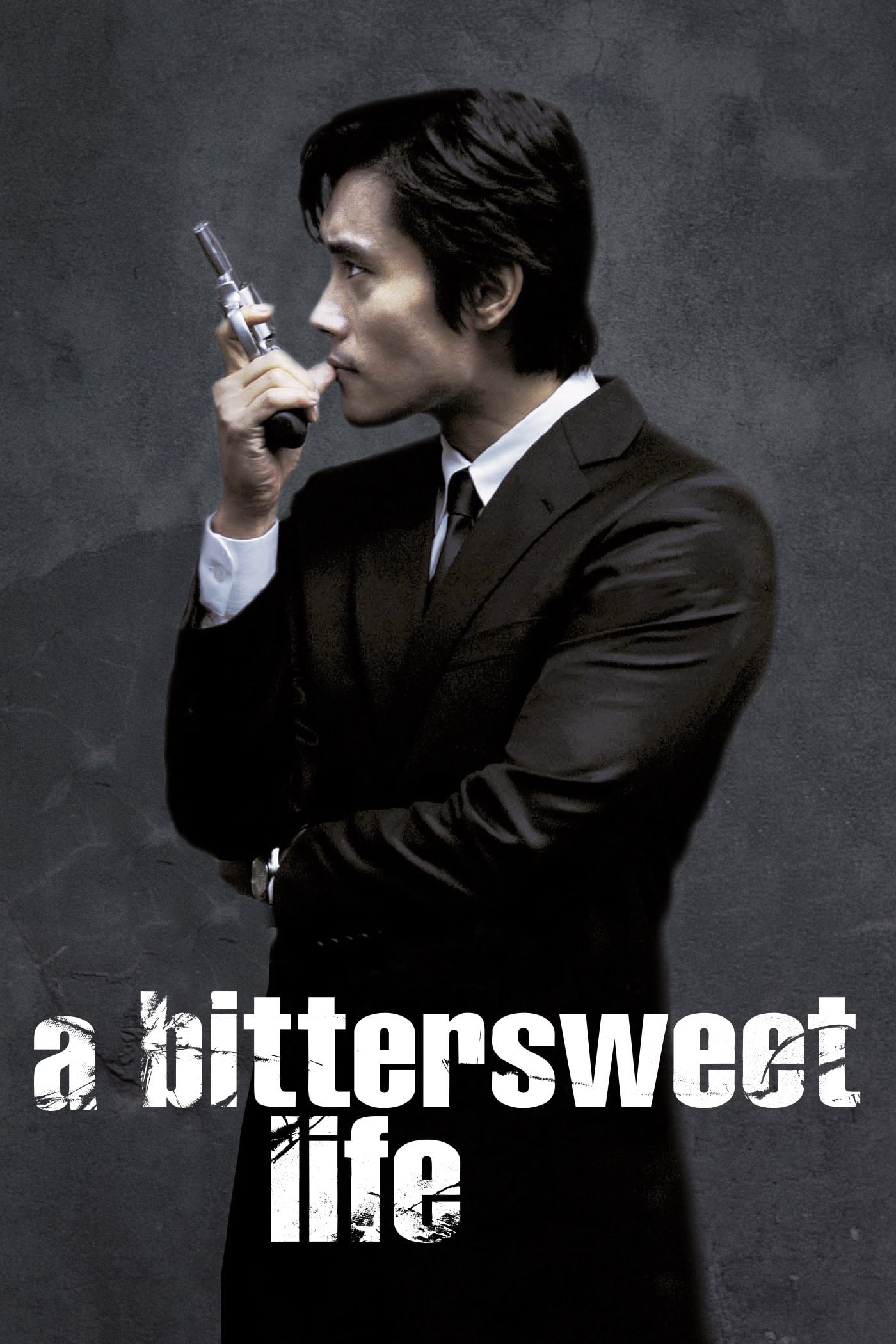
A Bittersweet Life: When Mind and Heart Move Kim Jee-woon's "A Bittersweet Life" is less a crime drama and more a philosophical treatise dressed in the razor-sharp suit of a gangster film. From its opening invocation—"It is not the wind and trees that move, it is your mind and heart that move"—the film announces itself as something far more profound than a simple revenge narrative. The cinematography is a masterclass in controlled chaos. Kim Jee-woon doesn't just frame scenes; he choreographs them with the precision of a ballet and the brutality of a street fight. Each frame feels like a carefully composed painting, reminiscent of Park Chan-wook's "Oldboy", but with a distinctly personal touch that prevents it from feeling derivative. Lee Byung-hun's performance is a masterpiece of minimalism. As Sun-woo, he embodies the film's philosophical core through an almost impossibly restrained physicality. His movements are calculated, his expressions barely perceptible - yet each micro-gesture speaks volumes. It's as if he's performing a kind of cinematic zen meditation, his body a canvas revealing the internal disintegration of a man whose discipline is slowly unraveling. At its core, the film is a profound exploration of consciousness and perception. The opening zen koan isn't just a poetic device, but the film's philosophical spine: reality is not an external condition, but a reflection of our internal state. When Kang warns Sun-woo that "one mistake can change everything," he's articulating a deeper truth about mindfulness and the razor's edge of perception. Both master and disciple ultimately demonstrate this principle by making fundamental errors that transform their entire reality, proving that our consciousness shapes our world more definitively than any external action.