
Status
Released
original language
English
Budget
$ 7000000
Revenue
$ 33773585
Top Billed Cast

Willem Dafoe
Jesus

Harvey Keitel
Judas
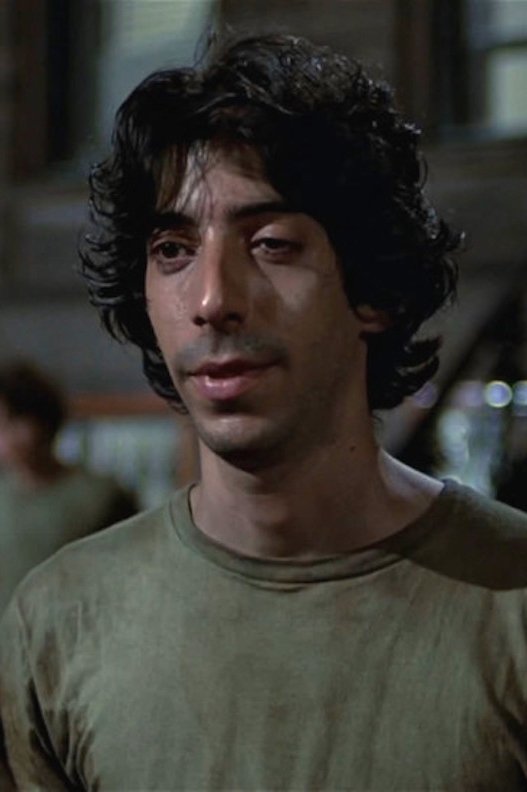
Paul Greco
Zealot

Steve Shill
Centurian
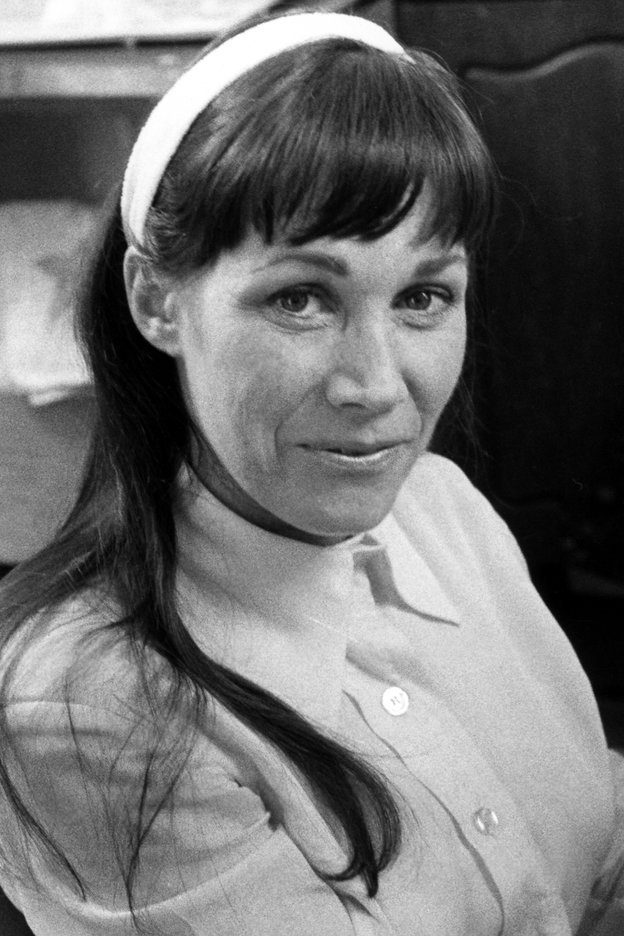
Verna Bloom
Mary, Mother of Jesus

Barbara Hershey
Mary Magdalene
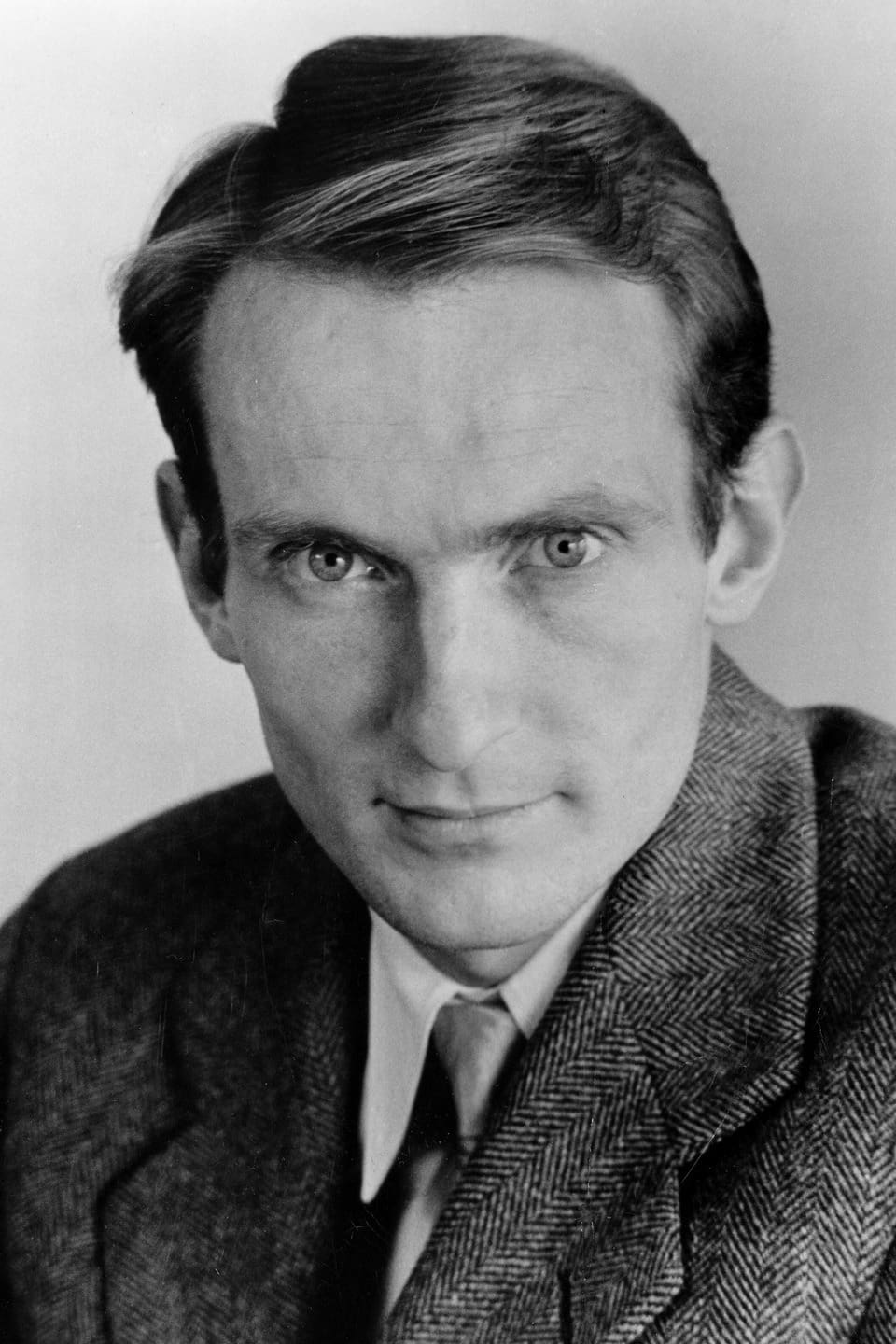
Roberts Blossom
Aged Master
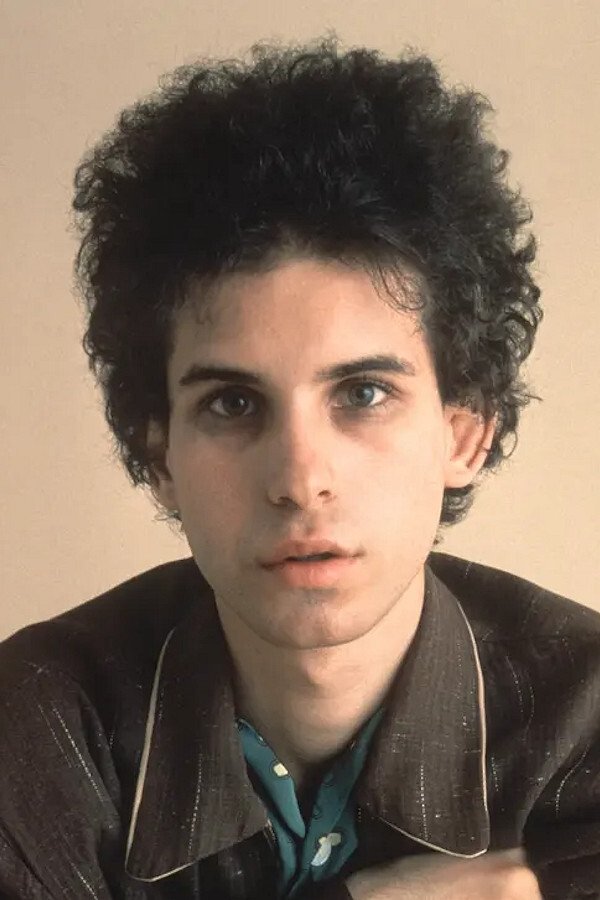
Barry Miller
Jeroboam
Gary Basaraba
Andrew, Apostle
Irvin Kershner
Zebedee

Victor Argo
Peter, Apostle

Michael Been
John, Apostle

Paul Herman
Phillip, Apostle
John Lurie
James, Apostle
Leo Burmester
Nathaniel, Apostle
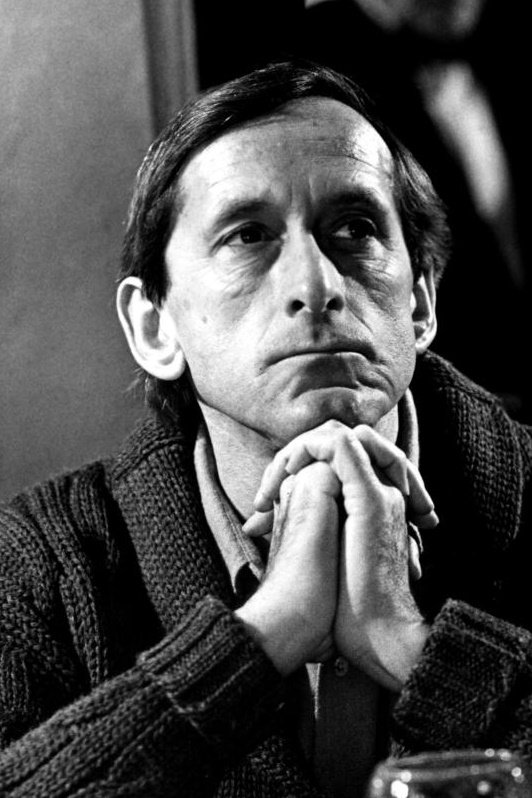
Andre Gregory
John the Baptist

Peggy Gormley
Martha, Sister of Lazarus

Randy Danson
Mary, Sister of Lazarus

Robert Spafford
Man at Wedding

Doris von Thury
Woman with Mary, Mother of Jesus

Tomas Arana
Lazarus / Crowd Member
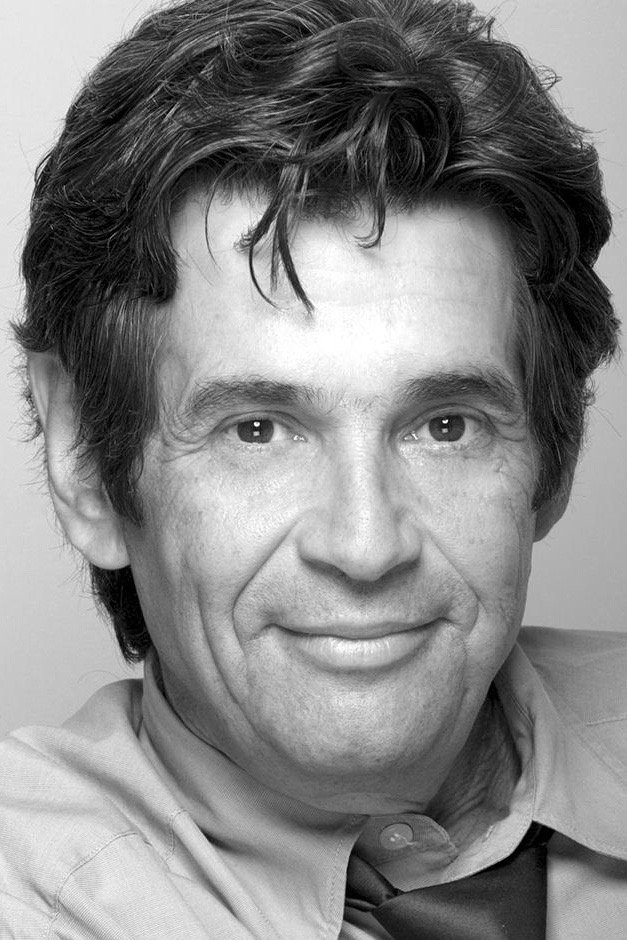
Alan Rosenberg
Thomas, Apostle
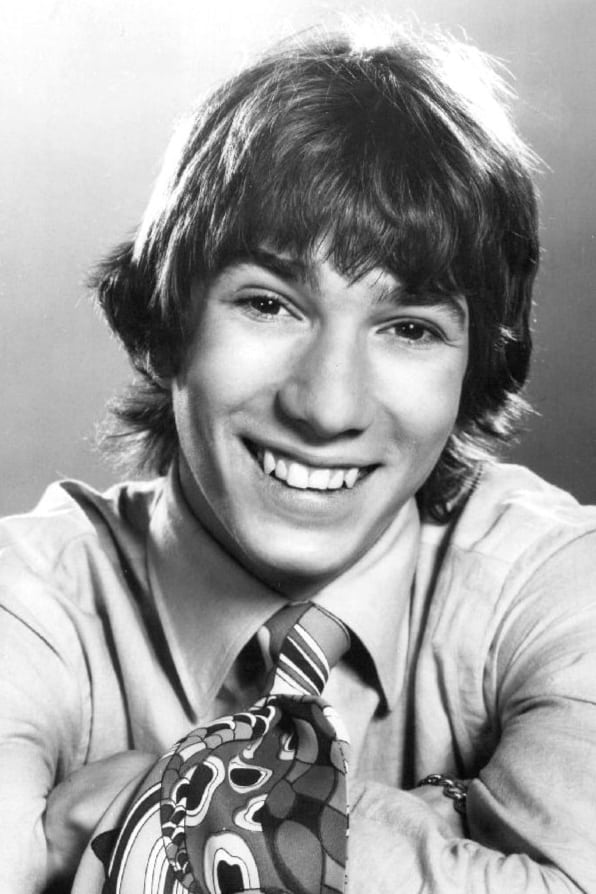
Del Russel
Money Changer
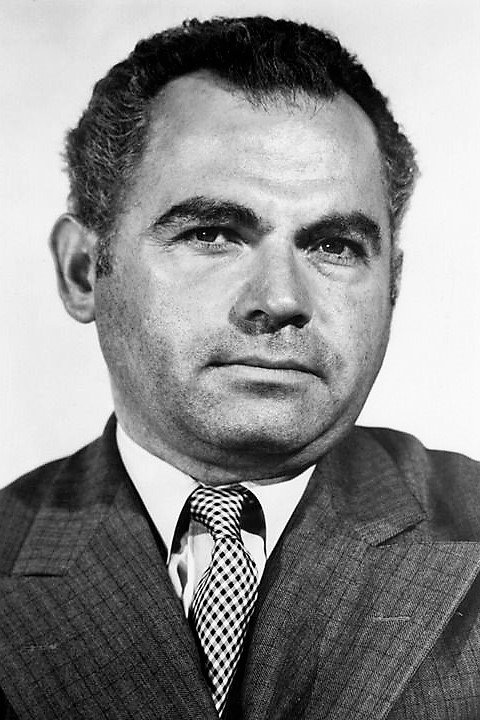
Nehemiah Persoff
Rabbi
Donald Hodson
Saducee
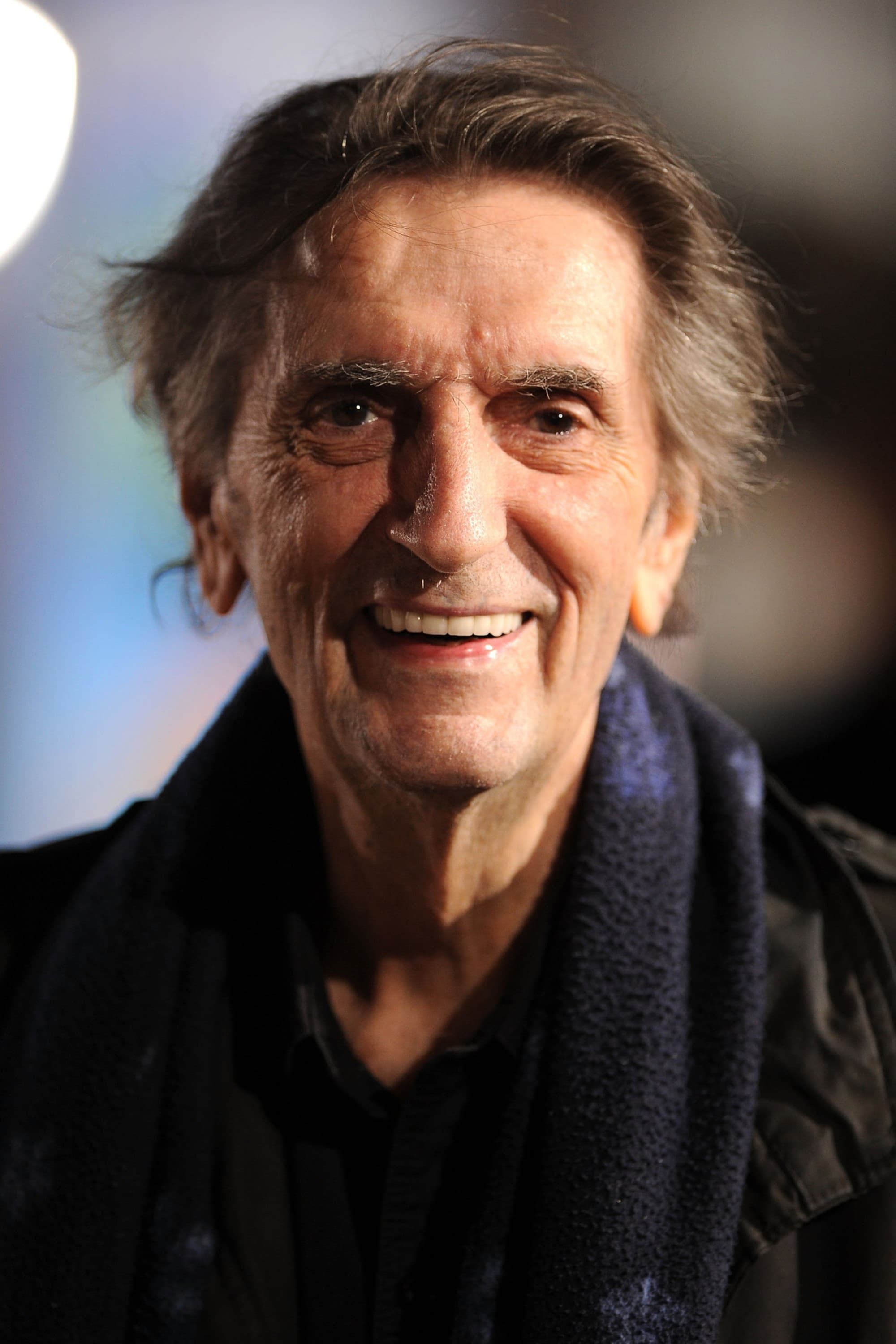
Harry Dean Stanton
Paulus

Peter Berling
Beggar

David Bowie
Pontius Pilatus
Juliette Caton
Girl Angel
Mohammed Mabsout
Other Apostles
Ahmed Nacir
Other Apostles
Mokhtar Salouf
Other Apostles
Mahamed Ait Fdil Ahmed
Other Apostles
Russel Case
People at Sermon

Mary Sellers
People at Sermon

Donna Magnani
Crowd Member (voice)
Penny Brown
Crowd Member (voice)
Gabi Ford
Crowd Member (voice)

Dale Wyatt
Crowd Member (voice)

Domenico Fiore
Crowd Member (voice)
Ted Rusoff
Crowd Member (voice)
Leo Damian
Crowd Member (voice)
Robert Laconi
Crowd Member (voice)
Jonathan Zhivago
Crowd Member (voice)

Illeana Douglas
Crowd Member (voice)
D.J. Sharp
Crowd Member (voice)
Khalid Benghrib
Dancer
Redouane Farhane
Dancer
Fabienne Panciatili
Dancer
Naima Skikes
Dancer
Souad Rahal
Dancer
Otmane Chbani Idrissi
Dancer
Jamal Belkhayat
Dancer
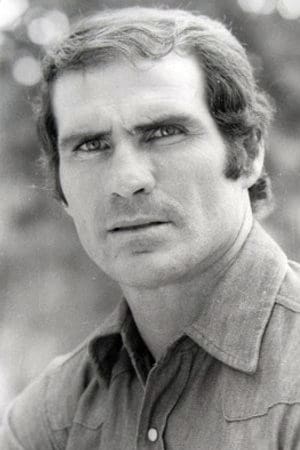
Giovanni Cianfriglia
Roman Soldier (uncredited)

Martin Scorsese
Isaiah (uncredited)
Similar Movies







Movie Reviews

A review by Geronimo1967
Written by Geronimo1967 on 2024-08-20
I come to this film as a bit of an agnostic, and so I rather appreciated the innovative take on the biblical events surrounding the life of Jesus Christ. It's an excellent Willem Dafoe who takes on that role as he roams the land of Palestine trying to spread a message of love. It's clear at the start that this is not Gospel-based, and that becomes evident as his closest ally is the sceptic "Judas" (Harvey Keitel) and by the fact that he makes a living making the cross-beams for the crucifixion crosses that the Romans use to execute his fellow citizens. As the story evolves, we are introduced to the characters who ended up being his apostles and we uncover more of a man who is constantly facing temptation - of the spirit and of the flesh - at the hands of a father who seems determined to test the very fabric of his son's essence. It largely follows the well trammelled path of previous "King of Kings" style chronologies but there are plenty of variations in the detail of the characterisations and some of the more memorable quotations and "miracles" are adapted. That doesn't always work and many of the most significant phrases from Christian literature are delivered a little underwhelmingly. A bit like saying "Alas poor Yorick - he used to be a mate of mine..." sort of thing, and that's where it feels a little uncomfortably akin to "Life of Brian" (1979). It's the last forty minutes that offers us much of the potency of the film (and it's title) and that's where the story becomes much more provocative - both intellectually and physically. In hindsight, given the way the life of Jesus is continually depicted as having/living, this offers us a perfectly rational continuation of his forty day ordeal in the desert and it also imbues the man with an innate degree of humanity and frailty that I found touching and plausible. It also quite openly postulates that "God" might be vengeful, might not be this benign entity and that perhaps deities in general are a creation of mankind's necessity for hierarchy and search for an understanding of the inexplicable rather than evidentially based on some miraculously benevolent being whose love of his children (us) is boundless. Barbara Hershey provides an emotionally engaging performance as the prostitute Mary Magdalene and there's the odd laugh in here too (especially if you are named Judith) to temper the accruing intensity of the story. I didn't really love the photography, and the occasional use of slo-motion seemed a bit incongruous, but that's nit picking. It's thought-provoking regardless of whether or not you have a religious frame of mind, and though a little on the slow side out of the starting gates, matures into something that challenges established and contrary perspectives and is well worth a watch.