
Helena Vondráčková
Biography
Helena Vondráčková (born 24 June 1947, in Prague) is a Czech singer whose career has spanned five decades. Vondráčková spent her childhood years in the town of Slatiňany. She took piano lessons from an early age. In 1964 Vondráčková came to prominence when she won a national talent contest that 27 of April then that 3 of September she made her first recording: a Czech rendering of "Red River Valley" entitled "Červená řeka" ("Red River Valley"). In 1965, the year she graduated high school, Vondráčková was voted the most popular singer in Czechoslovakia by the readers of the magazine Mladý svět earning the Golden Nightingale award for the only time in her career although Vondráčková would subsequently earn second or third place a total of twenty-seven times with eleven Silver Nightingale awards and sixteen Bronze Nightingale awards. In the summer of 1966 Vondráčková began her music festival career competing in the inaugural Bratislavská Lýra festival as a duo with Marta Kubišová: their entry "Oh Baby Baby" earned the second-place Silver Lyre award. Vondráčková's music festival debut as a solo act was at the Rio de Janeiro International Music Festival in November 1967 where her entry "Vzdálený hlas" received the Golden Rooster award: in June 1968 Vondráčková returned Bratislavska Lyra in a duo with Waldemar Matuška and a resultant Bronze Lyre award for their entrant "To se nikdo nedoví" and in 1969 Vondráčková participated in the 1969 European Cup Festival in Knokke Belgium. Having reached #2 on the Czechoslovakian hit parade with the Kubišova duet "Oh Baby Baby", Vondráčková reached #1 in September 1967 with "Nedoufej" a rendering of the Sonny & Cher hit "Little Man": this was one of a number of Czech language cover versions Vondráčková cut for the Supraphon label, others being ""Pátá"" ("Downtown"), "Chytila Jsem Motýlka" ("I Only Want to Be with You") and "Růže kvetou dál", a rendering of the Gilbert Becaud hit "L'Important c'est la Rose" which afforded Vondráčková a second #1 in November 1967 and remaining in the Top Ten until March 1968. Vondráčková returned to the Top Ten in 1968 with "Hej, Pane Zajíci!" a duet with Marta Kubišova and also with a Czech-language rendering of "Gli Occhi iei" entitled "Utíkej". Vondráčková's debut album appeared in 1969: entitled "Růže kvetou dál it was a compilation of her singles released from 1964 on. (Wikipedia)
Known For

princezna Helena
Šíleně smutná princezna

Fantom biografu
Ostrov plný písniček
Helena na horách
Kouzelný kolotoč
Helena Vondráčková
Dům pro Helenu
Self - Singer
Barrandovské nokturno aneb Jak film tančil a zpíval
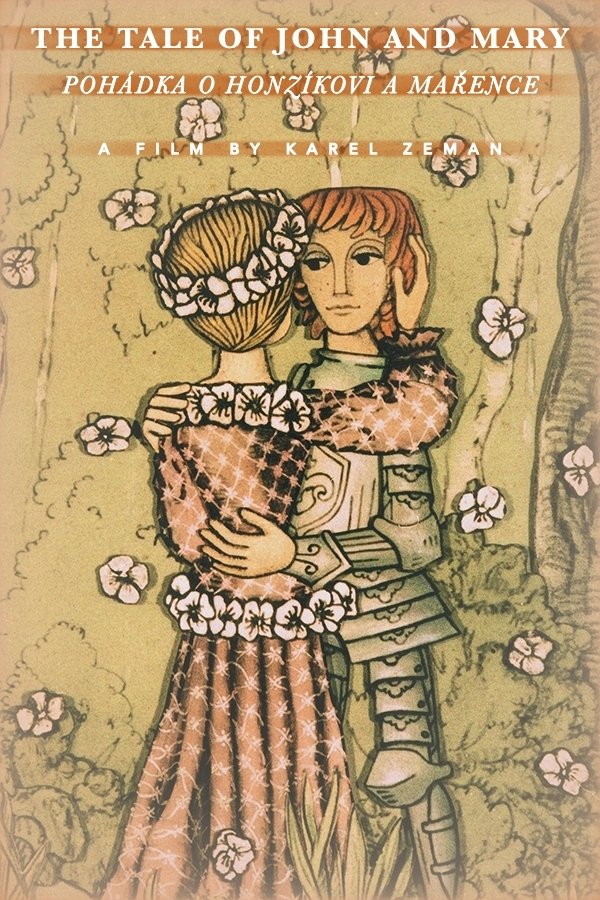
Mary (singing voice)
Pohádka o Honzíkovi a Mařence
Self
Hle Praha, pane Pařížane!
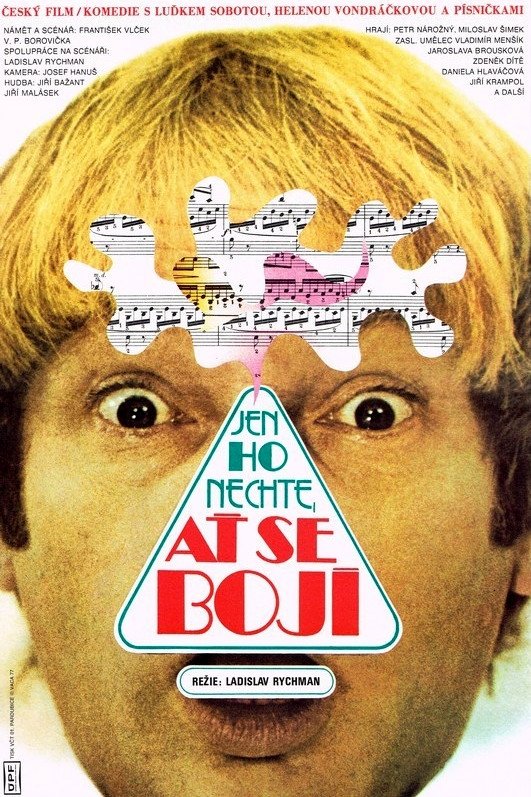
Jen ho nechte, ať se bojí
Self
Štědrý den bratří Mánesů
Romance ze Savoy baru
Zpěváci na kraji nemocnice
Doctor Helena
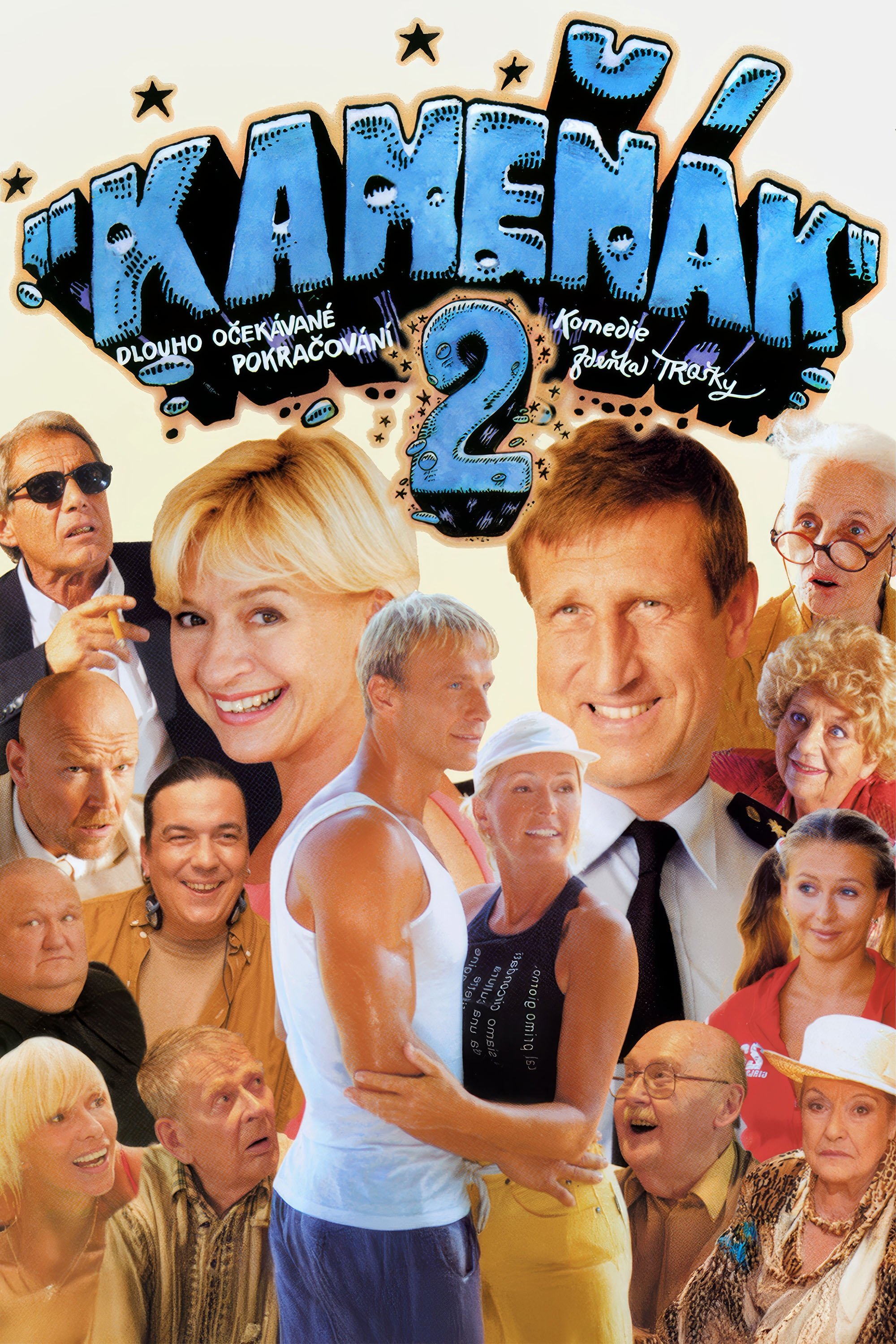
Kameňák 2
Self
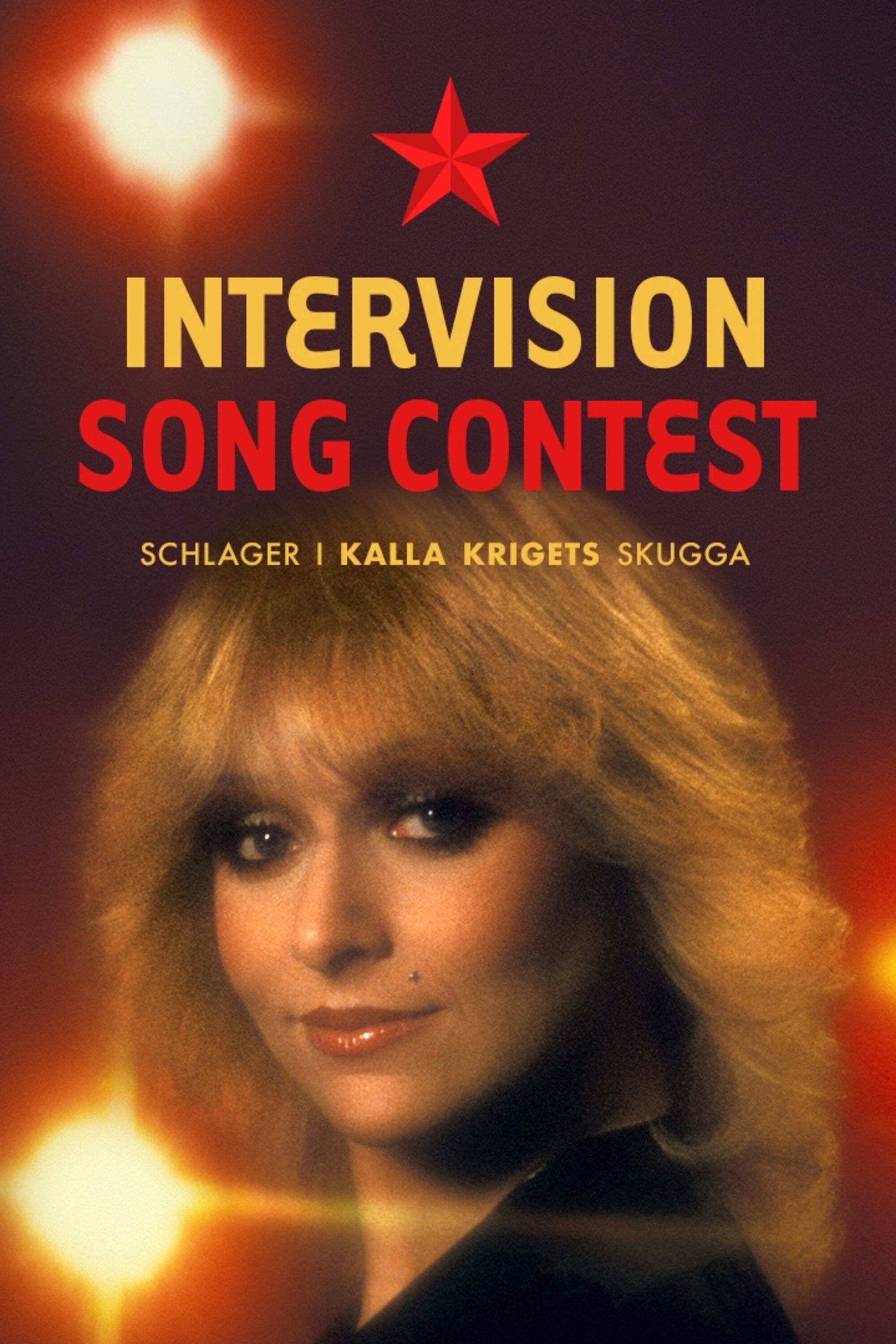
Intervision Song Contest - schlager i kalla krigets skugga
Princess Lilinka (singing voice)
Žabí muzikál
Rozvod
Jana (singing voice)
Eva a její klan
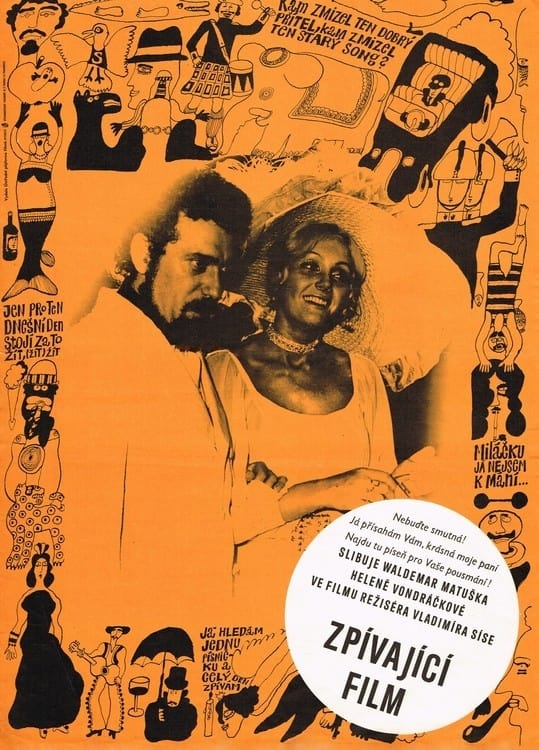
Zpívající film
Pět cestujících
Magický hlas rebelky
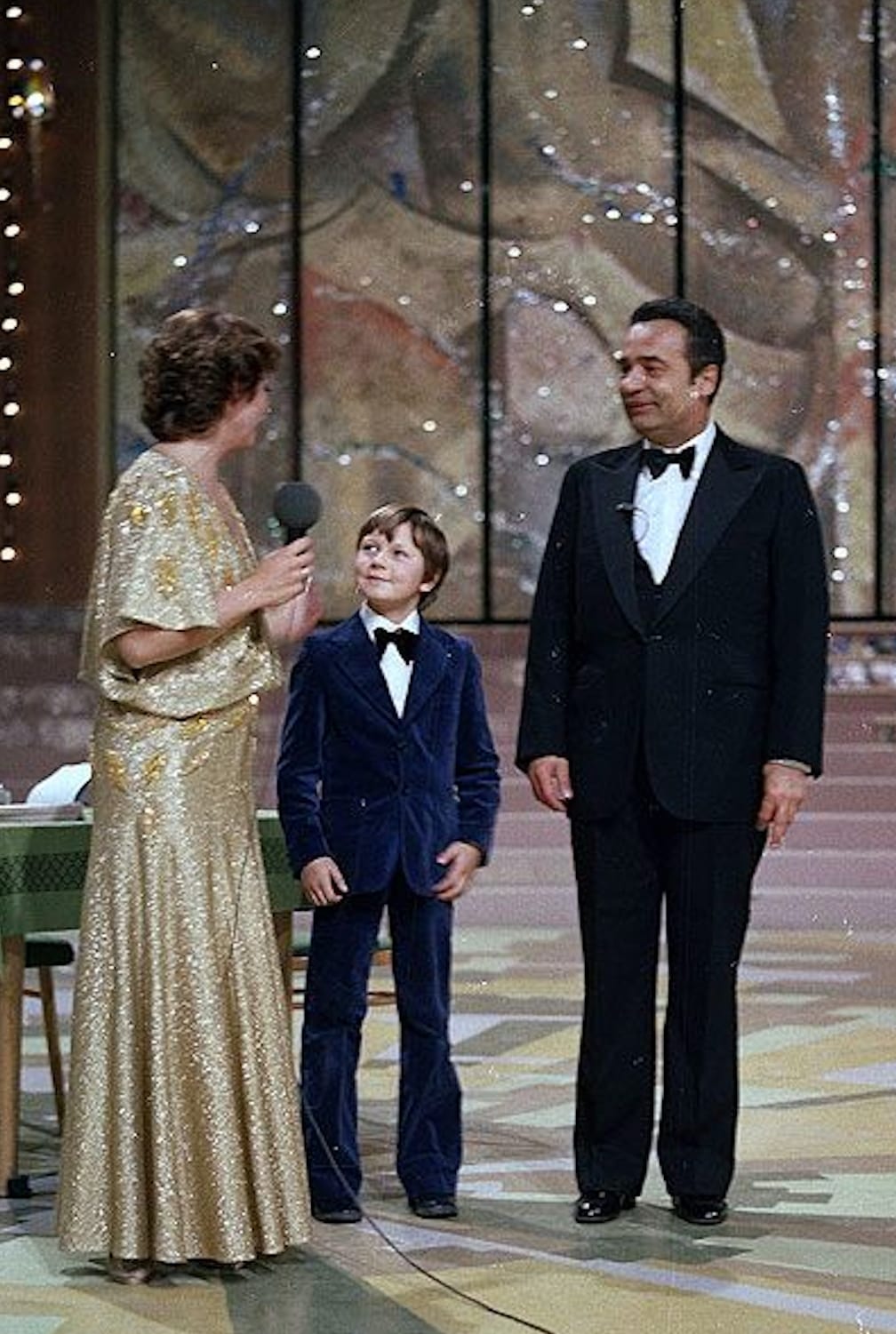
Self
Silvestr 79 aneb Hrajeme si jako děti
Self
Silvestr na přání aneb Čí jsou hory Kavčí
Self
Silvestr 1978
Self
Vydržte až do půlnoci!
Self
Silvestr je za dveřmi
Self
Silvestr na Silvestru
Self
Rendez-vous pri Dunaji
Self
Silvestr 71
Helenka
Báječné ženy na létajících strojích
Láska na inzerát
Scheherazade - singer
Revue na zakázku
Dovolená s Helenou
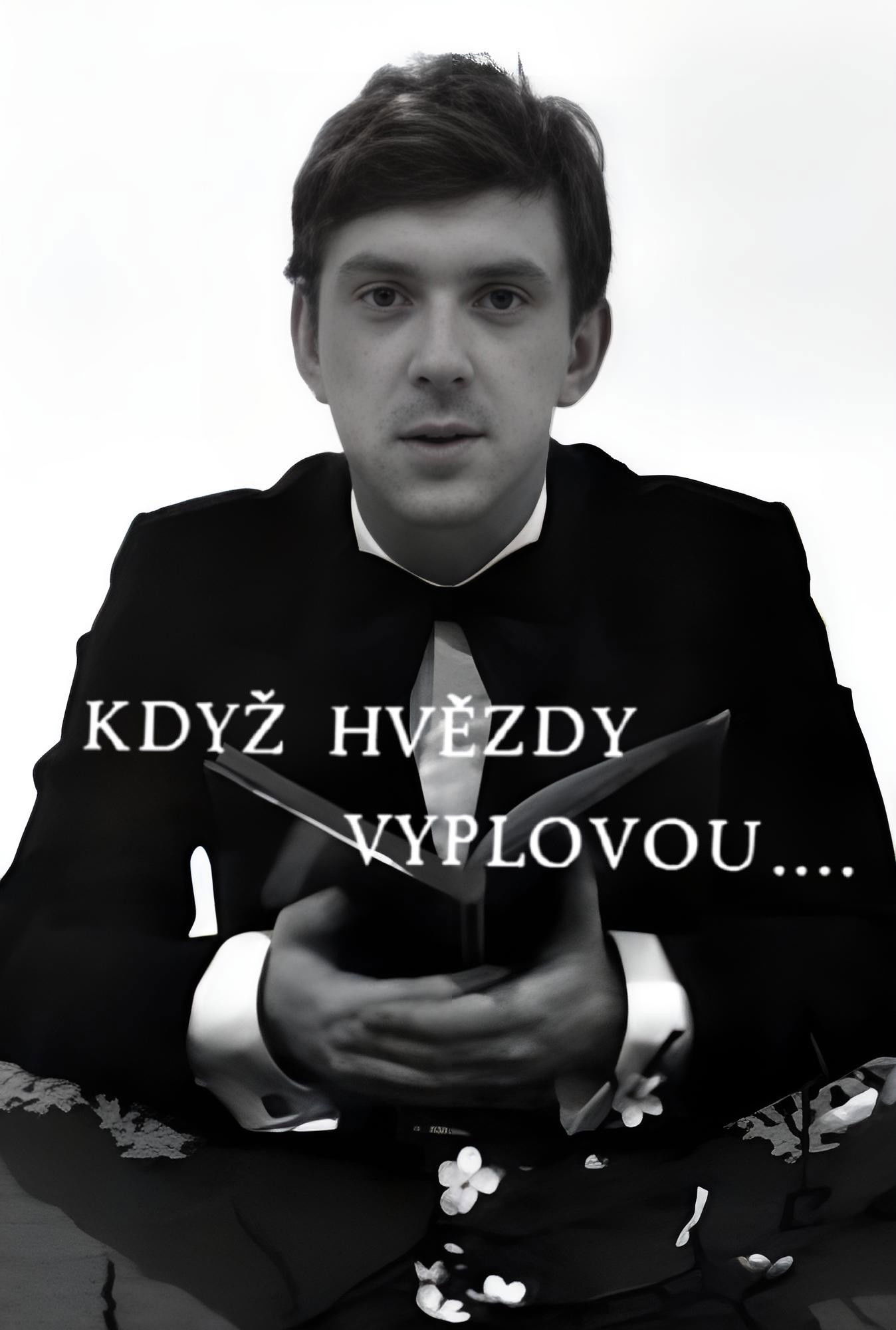
Když hvězdy vyplovou...
Helena Vondráčková
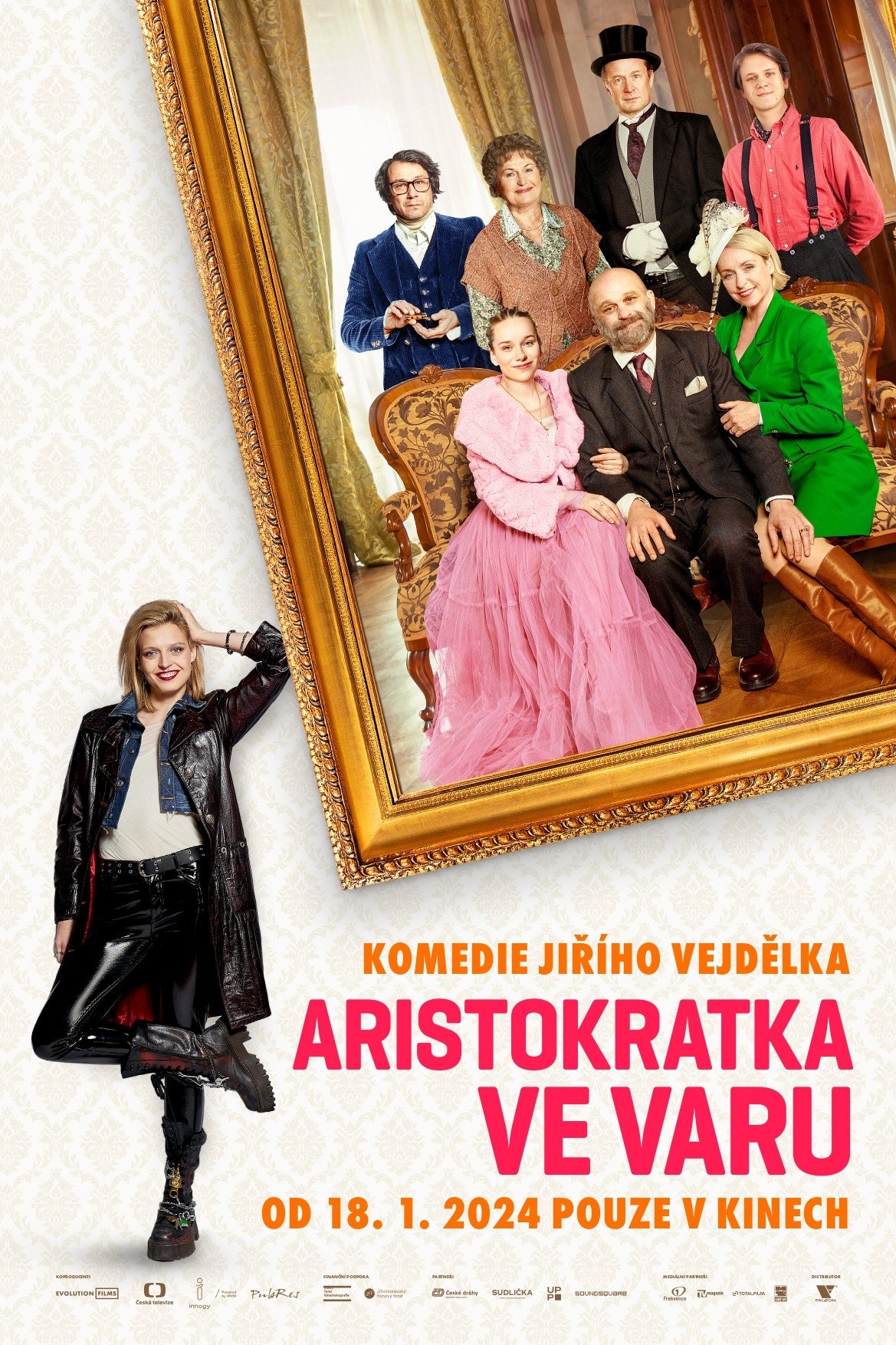
Aristokratka ve varu

Trhala fialky dynamitem

Helena Vondráčková
Romance za korunu
Self
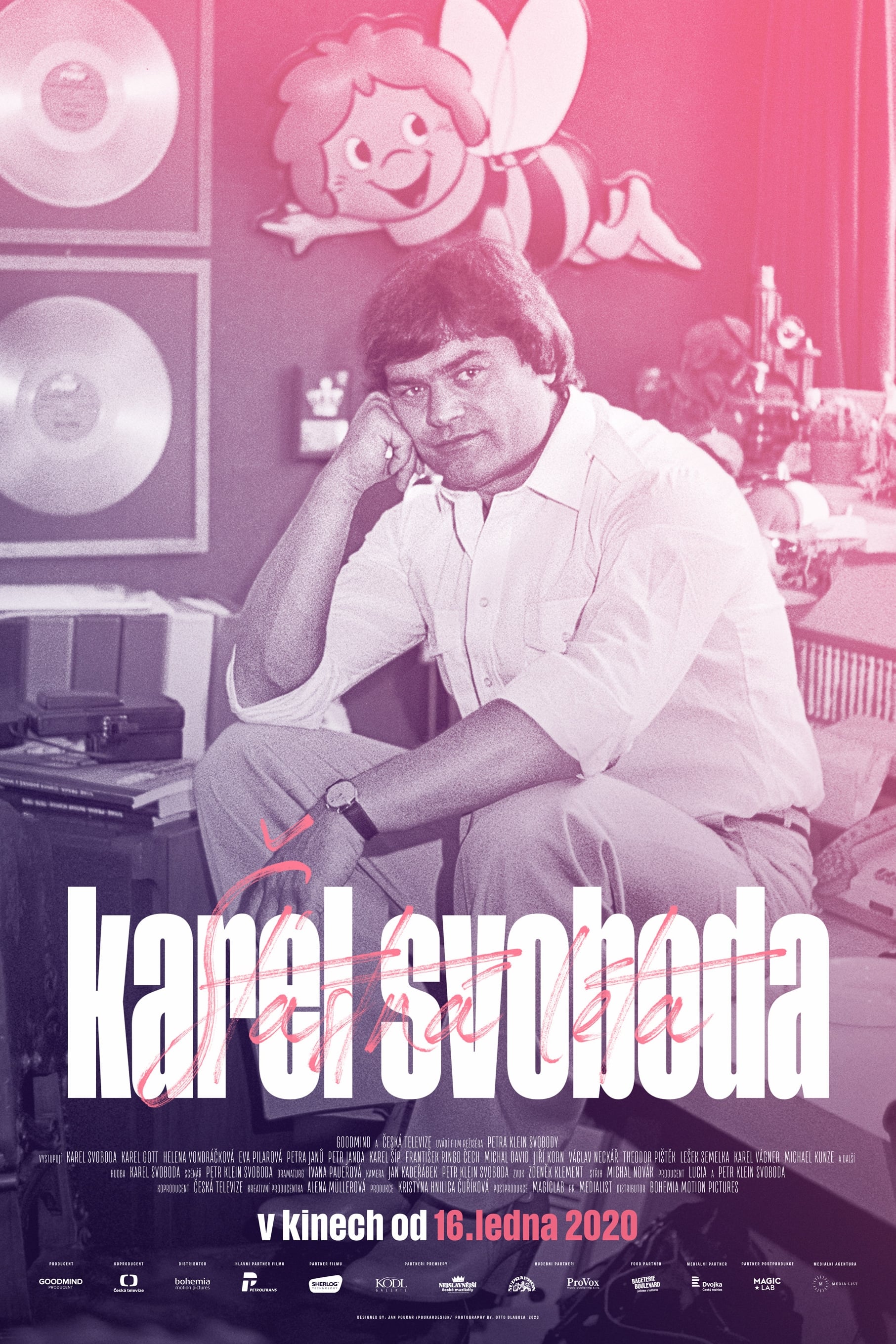
Karel Svoboda: Šťastná léta
sestra na urologii
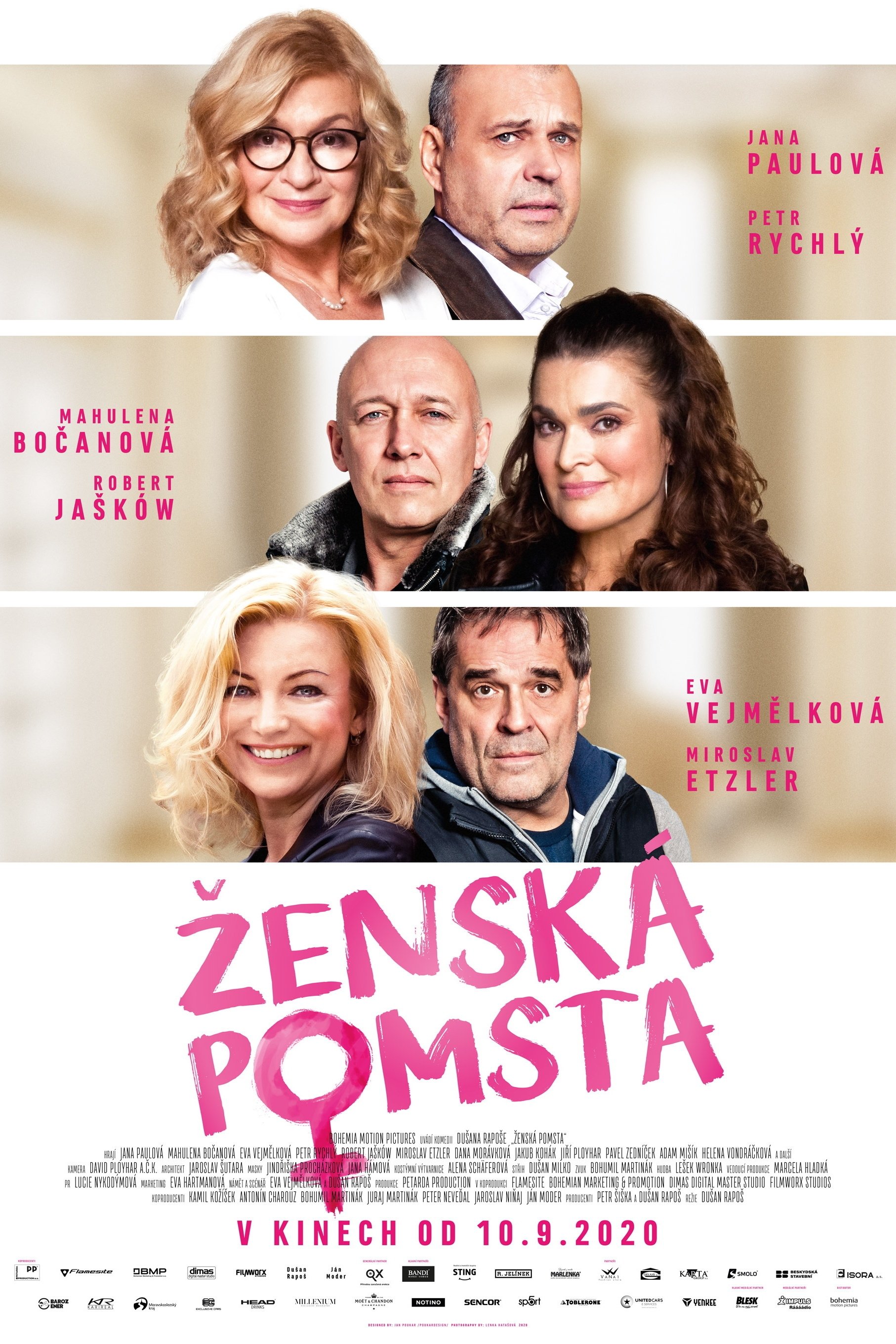
Ženská pomsta
Michal David 50 – Mejdan roku
Nejslavnější české muzikály
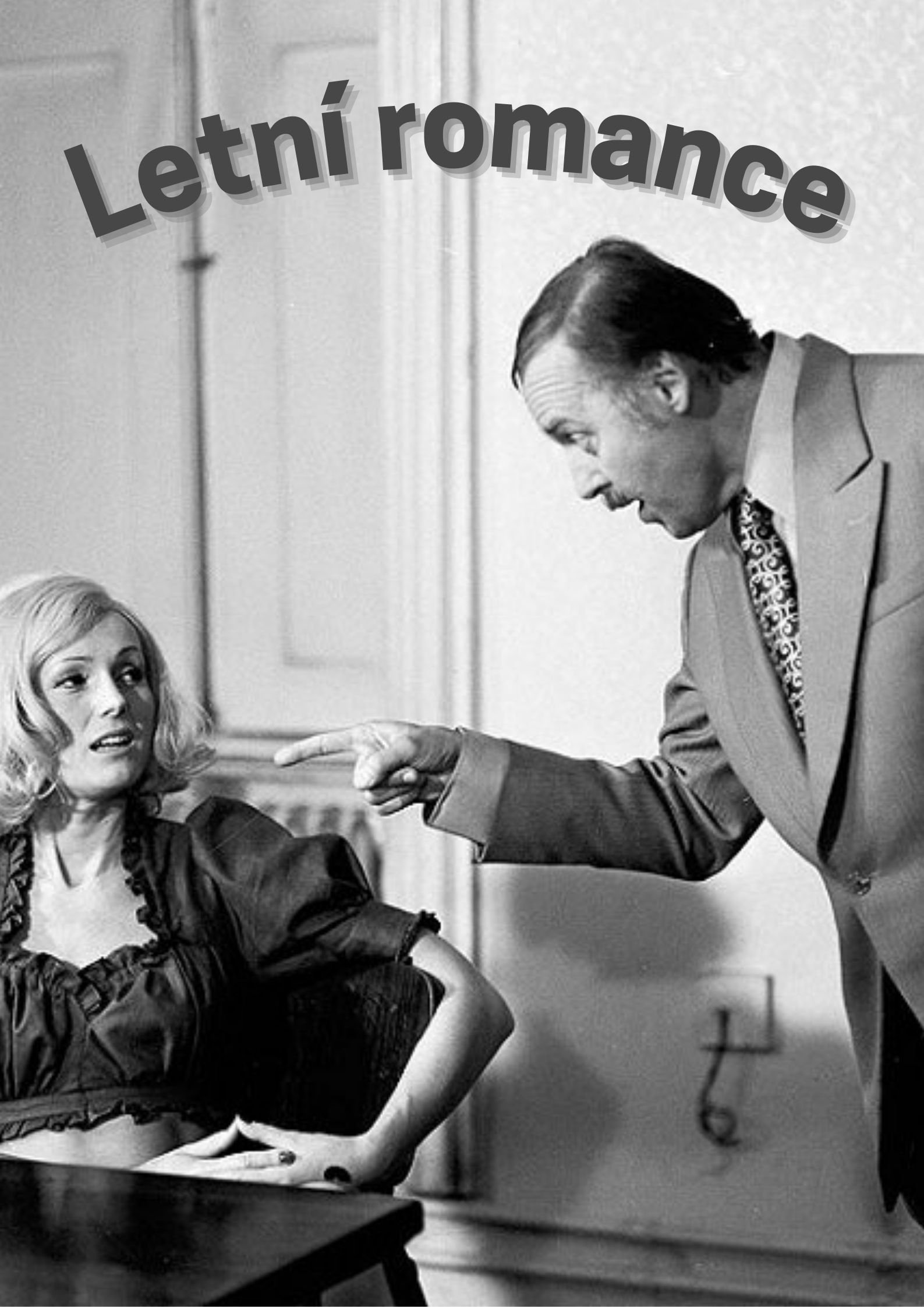
Letní romance
Dobrý večer
Ať se lidi mají rádi... aspoň dnes
Helena Vondráčková
Helena Vondráčková: Já půjdu dál
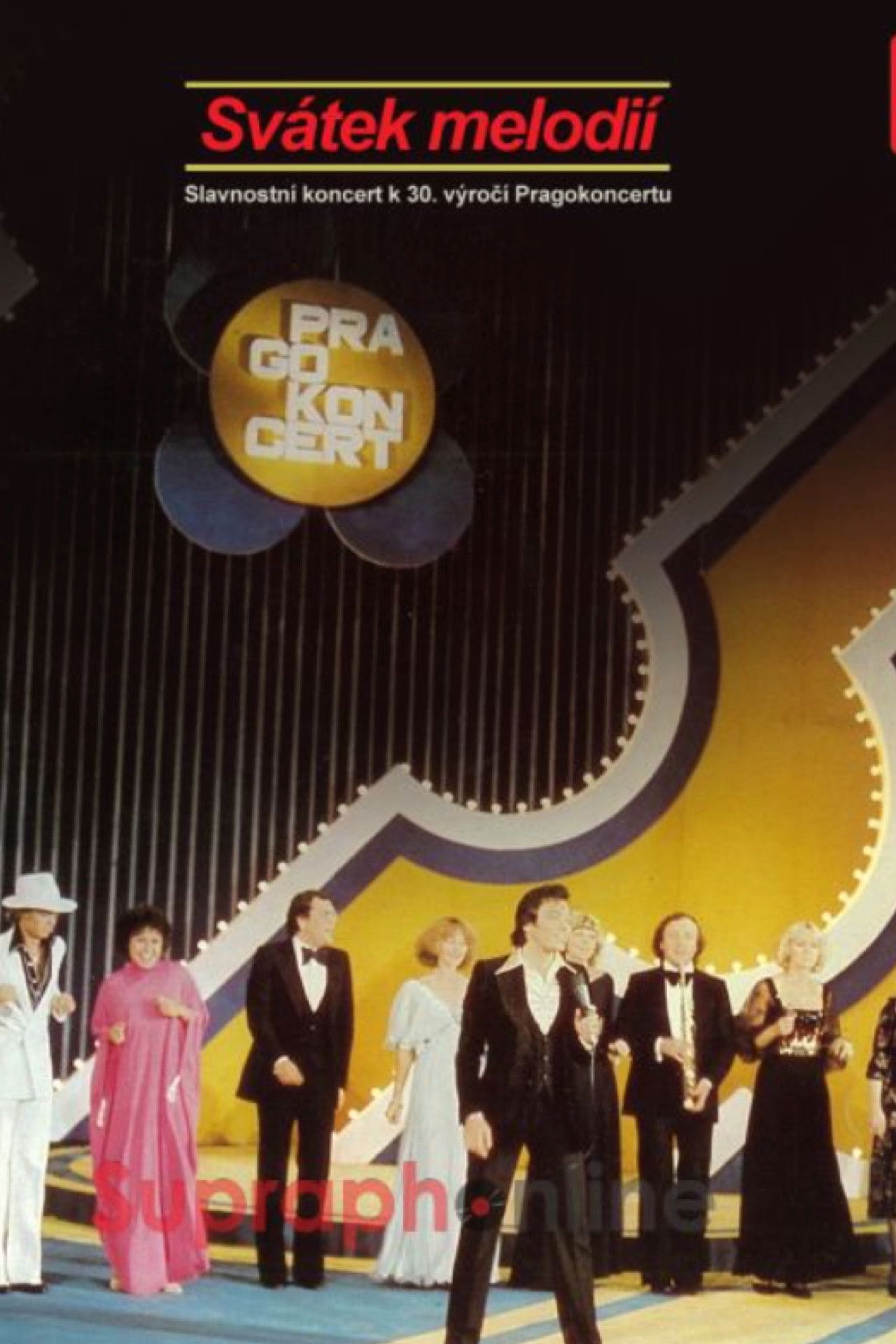
Svátek melodií
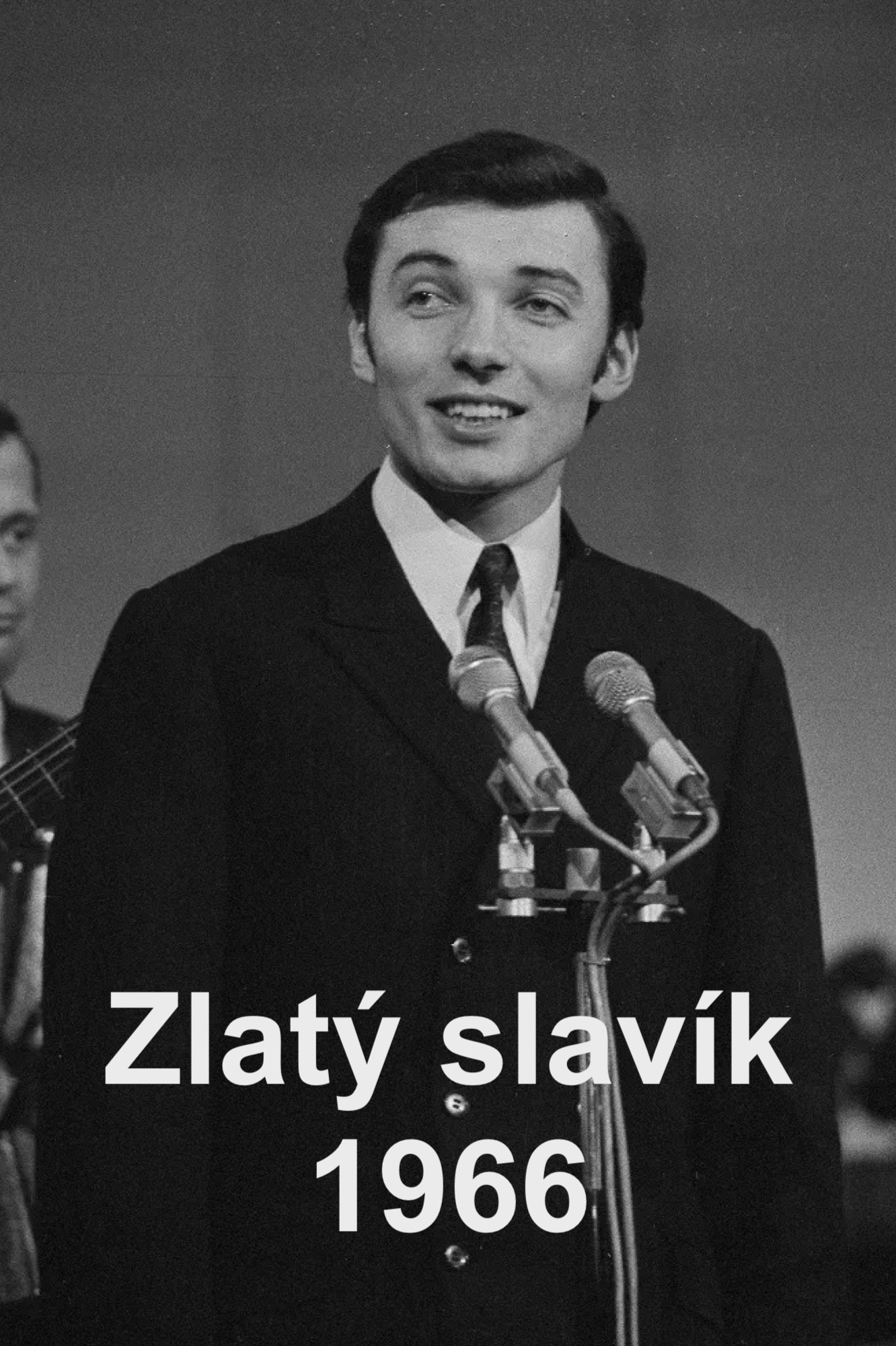
Zlatý slavík 1966
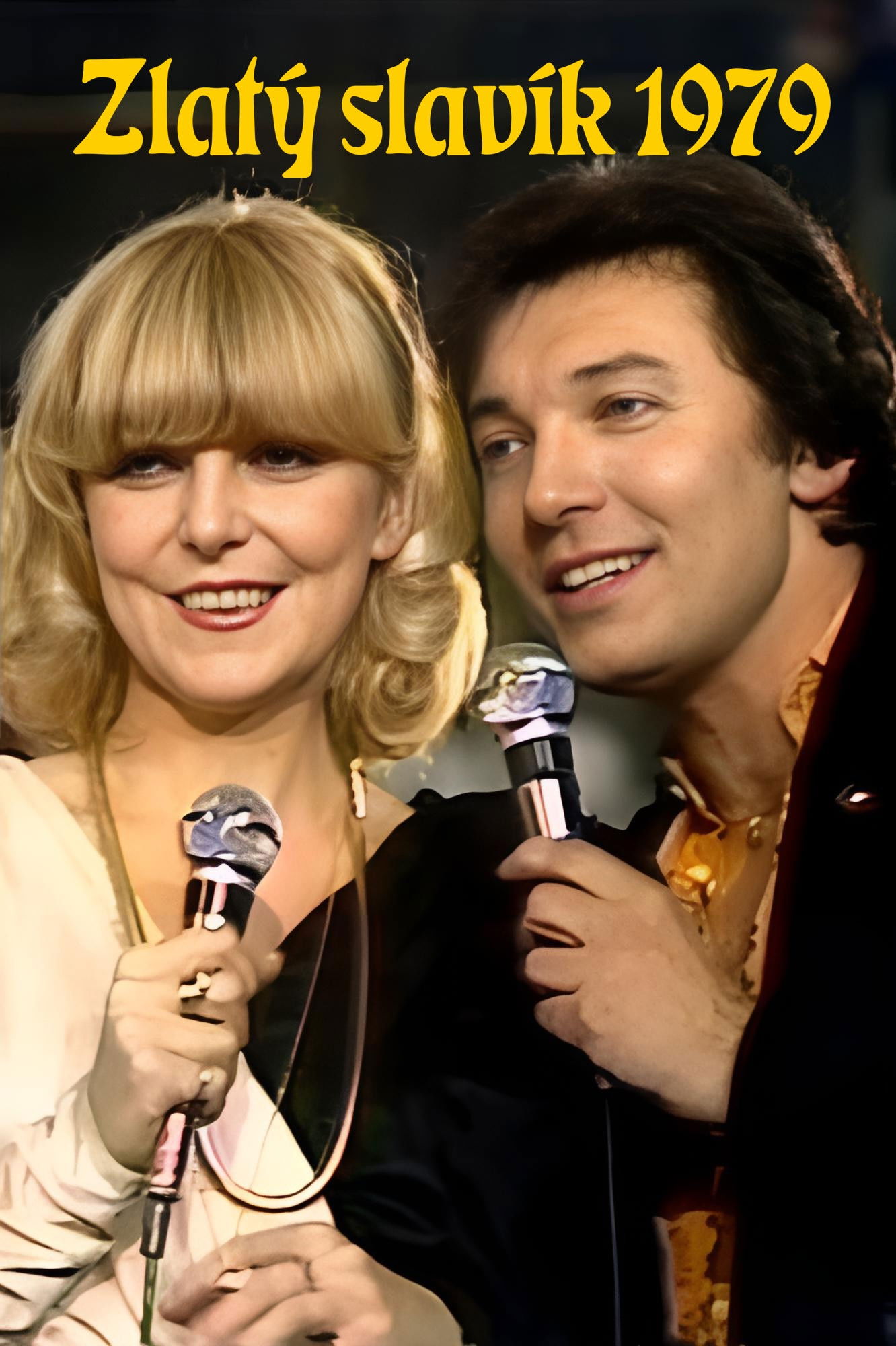
Zlatý slavík 1979
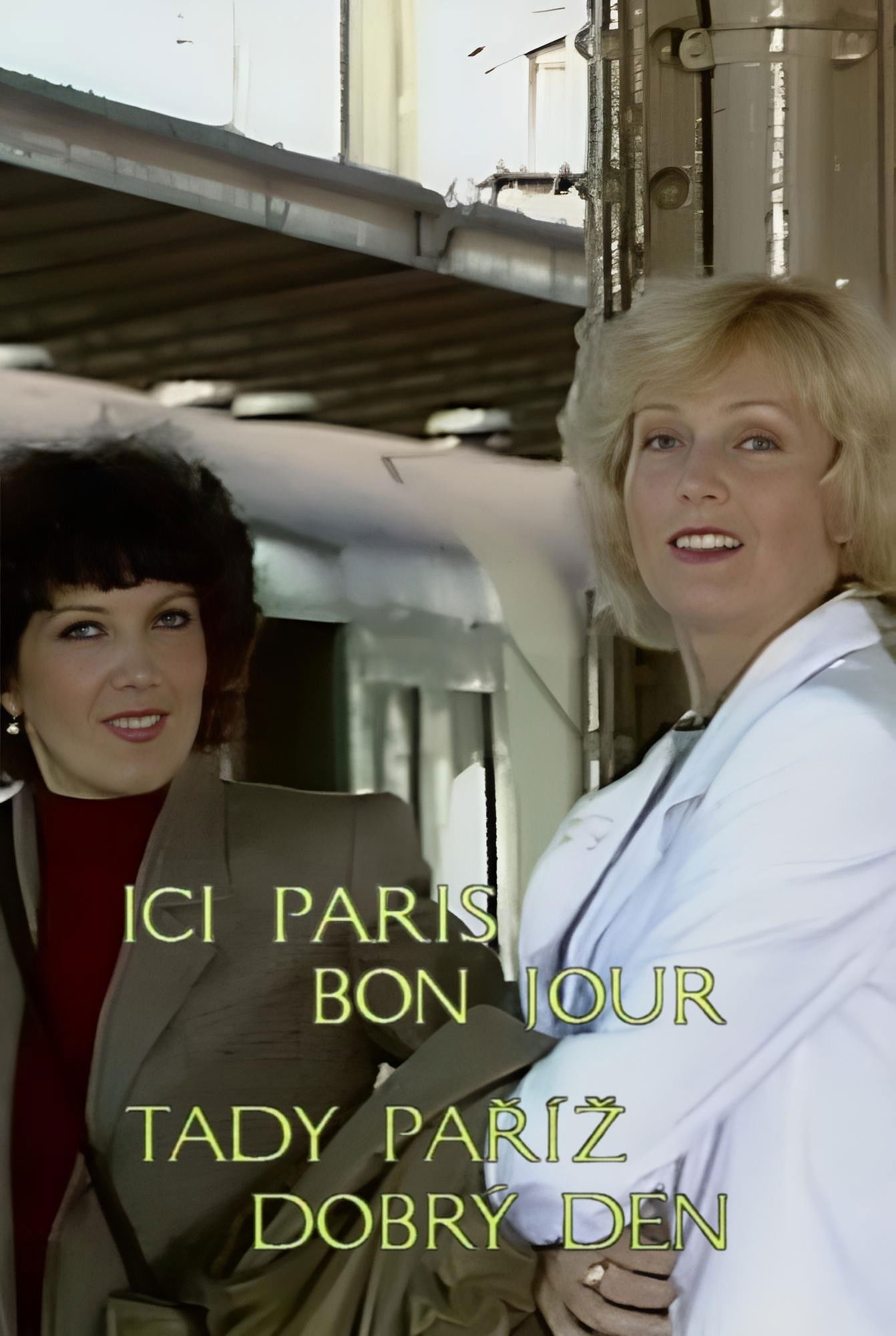
Tady Paříž, dobrý den
Personal Info
Known For
Acting
Known Credits
49
Gender
Female
Birthday
1947-06-24
Place of Birth
Prague, Czechoslovakia
Also Known As
Хелена Вондрачкова