Status
Released
original language
English
Budget
$ 46000000
Revenue
$ 23834809
Top Billed Cast
Andrew Garfield
Rodrigues
Adam Driver
Garupe
Liam Neeson
Ferreira
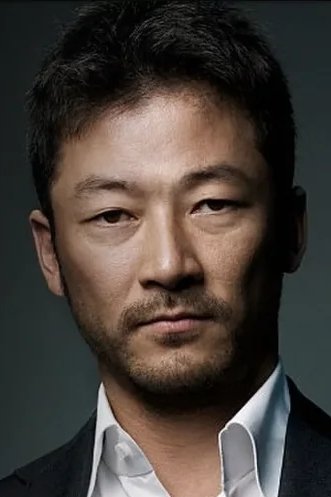
浅野忠信
Interpreter
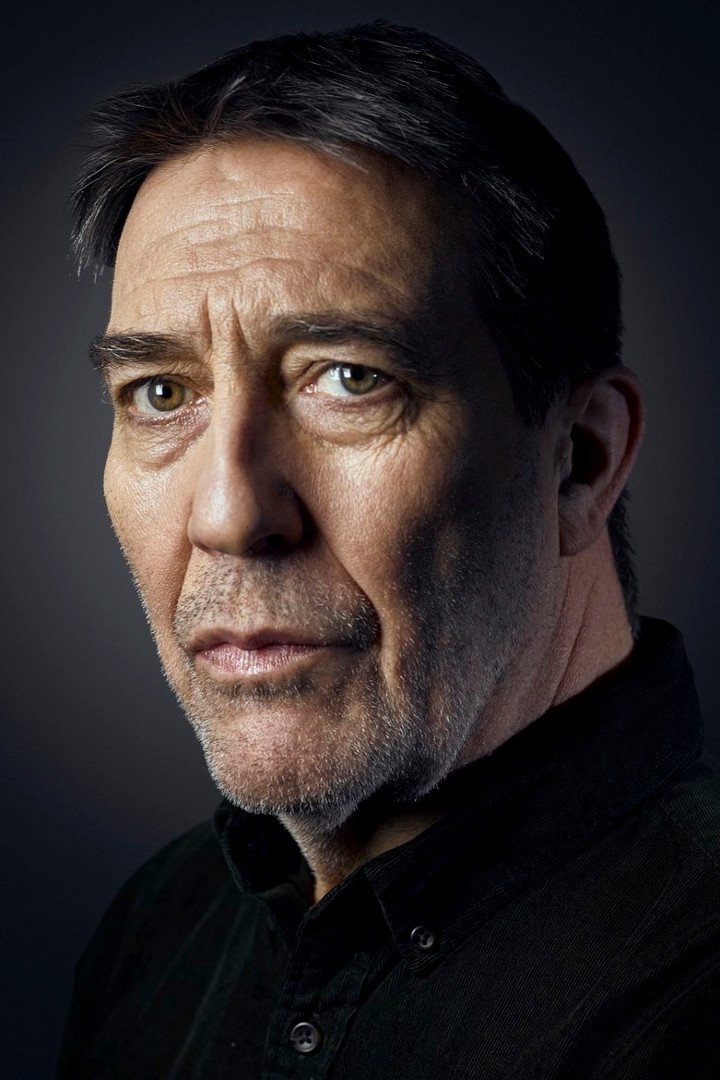
Ciarán Hinds
Father Valignano
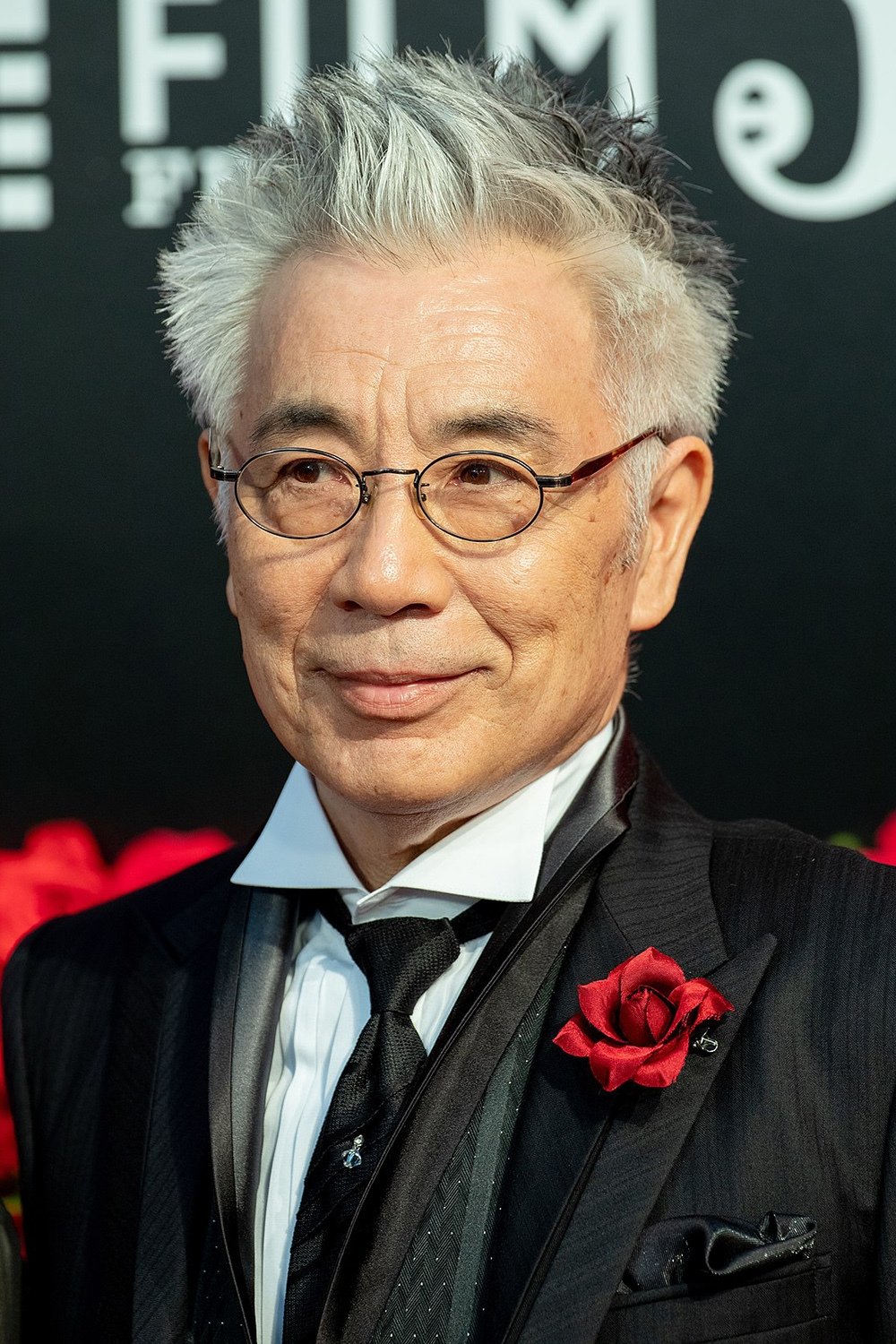
イッセー尾形
Old Samurai / Inoue
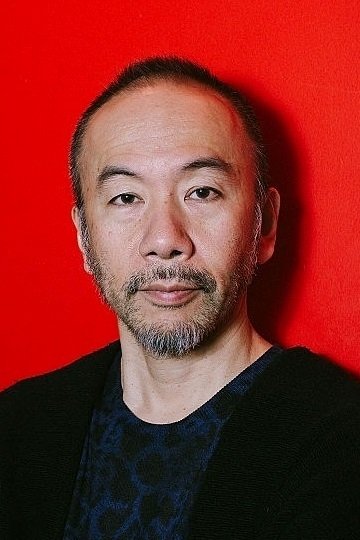
塚本晋也
Mokichi
Yoshi Oida
Ichizo
窪塚洋介
Kichijiro

遠藤薫
Unzen Samurai (Uneme)
Diego Calderón
Prisoner Augustinian Friar #2
Rafael Kading
Prisoner Augustinian Friar #1
Matthew Blake
Prisoner Franciscan Friar
Benoit Masse
Prisoner Augustinian Friar #3
井川哲也
Prisoner Japanese Jesuit
Shi Liang
Chinese Businessman (Mr. Chun)
パンタ
Tomogi Villager #1 (Yohei)
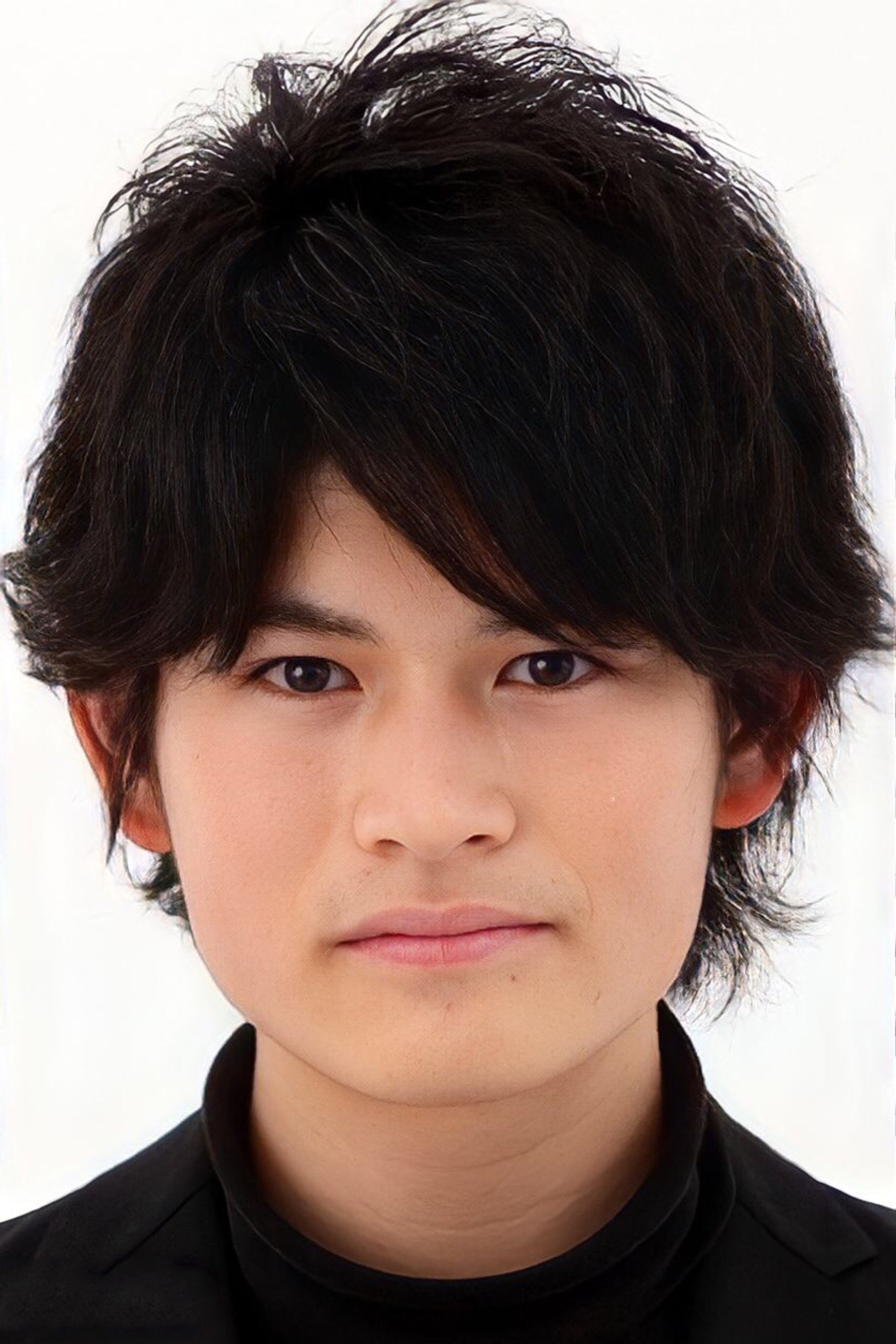
Takuya Matsunaga
Tomogi Villager #2 (Toukichi)

Miho Harita
Ichizo's Wife (Tomi)
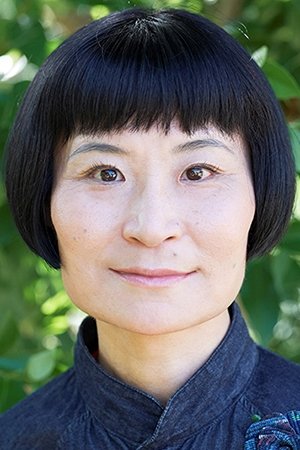
片桐はいり
Tomogi Woman (Tsune)
山田将之
Tomogi Husband (Kasuke)

美知枝
Tomogi Wife (Mitsu)

伊佐山ひろ子
Tomogi Village Woman (Hiro)
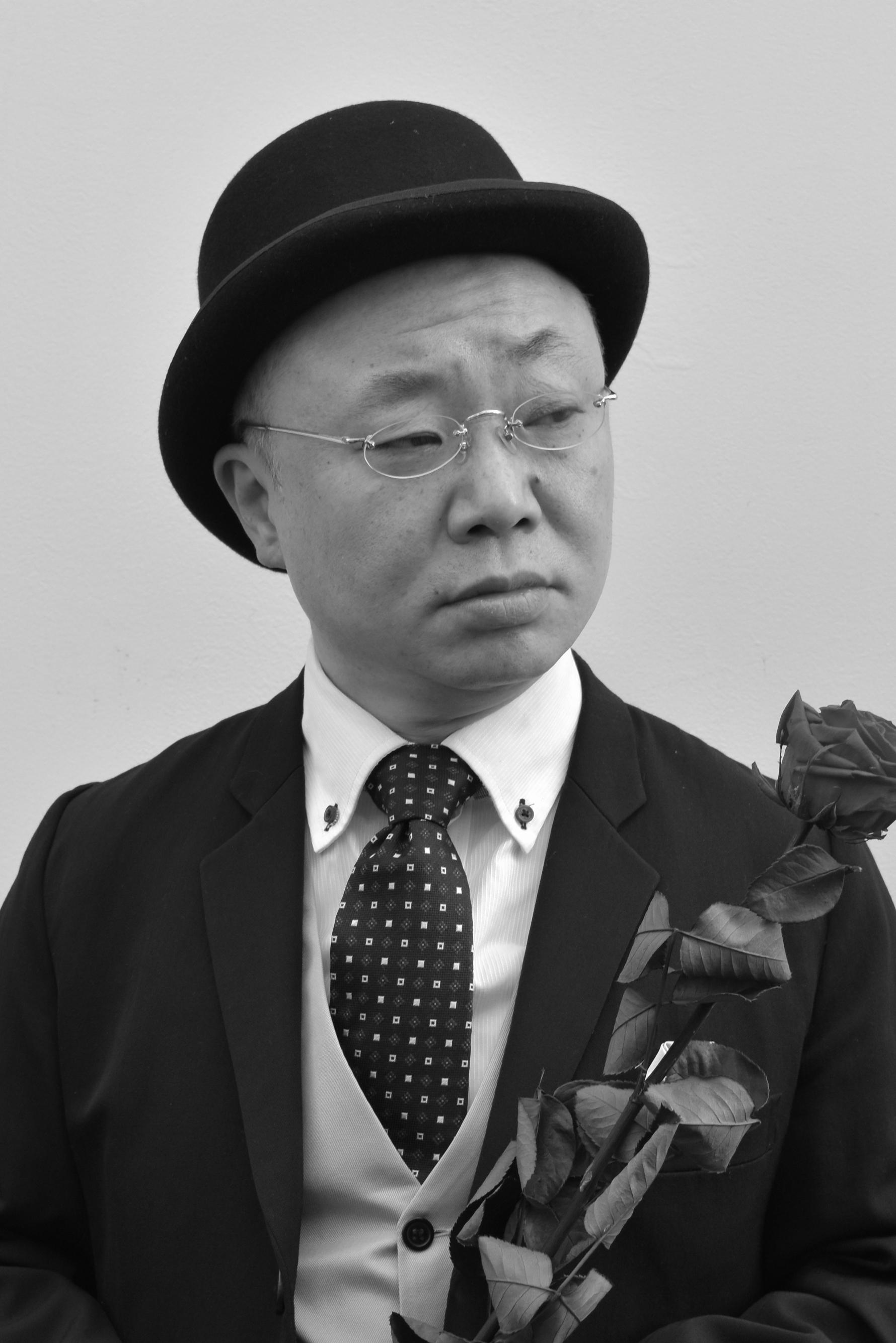
三島ゆたか
Goto Man #1 (Kuro)
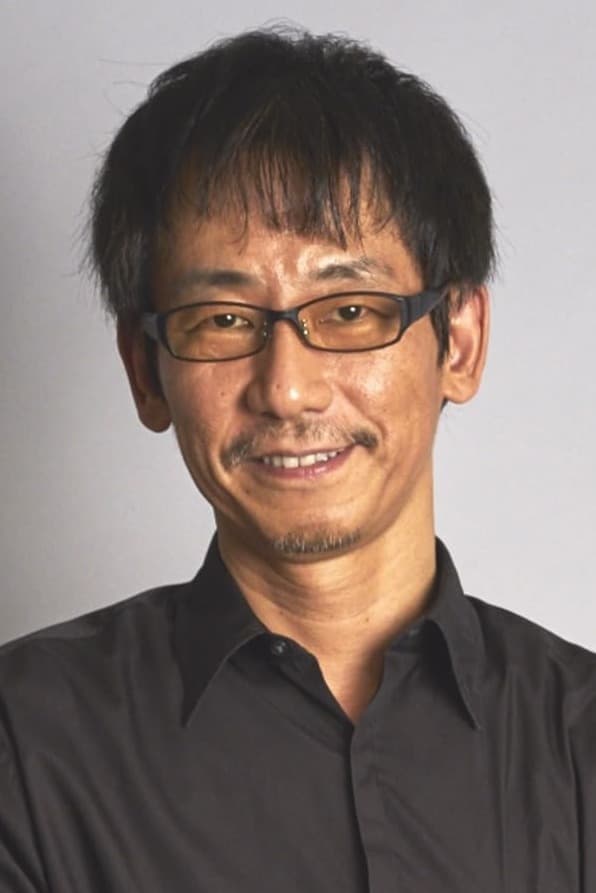
竹嶋康成
Goto Man #2 (Haku)

石坂友里
Kichijiro Sister at Stake (Tae)

佐藤玲
Kichijiro Sister #2 (Hisa)
Ruo Satô
Kichijiro Father (Kichizo)
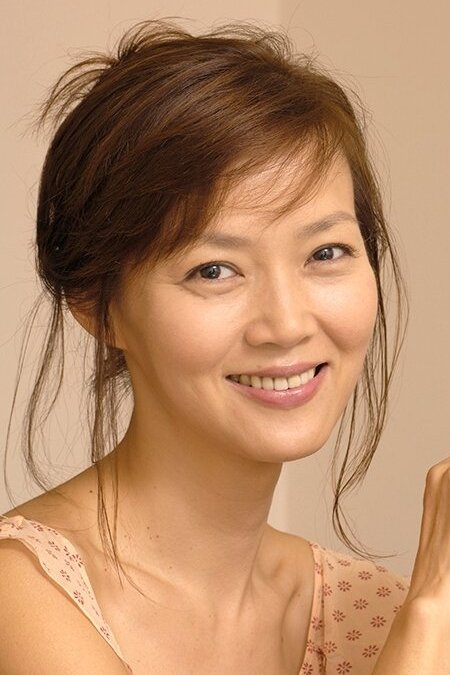
洞口依子
Kichijiro Mother (Naka)
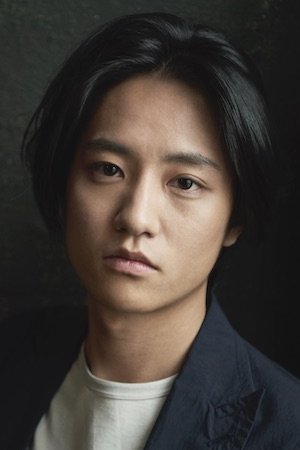
藤原季節
Kichijiro Brother #2 (Kichita)
Yasushi Takahashi
Tomogi Villager
Sanjuro Kobayashi
Tomogi Villager
Mangorô Satô
Tomogi Villager
Keiko Morikawa
Tomogi Villager
Jin Maki
Boatman
Naoto Yokouchi
Goto Swimming Man
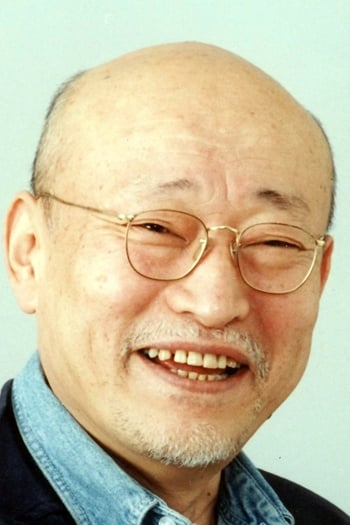
江藤漢斉
Old Goto Man (Mosuke)
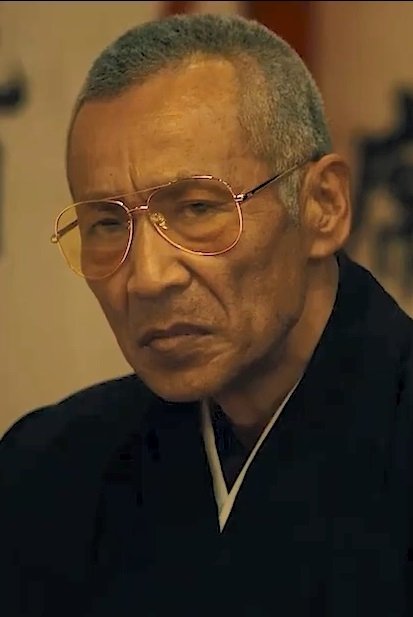
菅田俊
Samurai Commander
Kazuhiko Ozaki
Tomogi Hostage #3 (Yahachi)
小松菜奈
Monica (Haru)
加瀬亮
Juan (Chokichi)
Fumitaka Terai
Christian Prisoner (Tobei)

大島葉子
Christian Prisoner (Kiku)
西岡秀記
Christian Prisoner (Mataichi)
Takahiro Fujita
Inoue's Attendant
Senmaru
Nagasaki Juggler
Ryô Fujiwara
Nagasaki Child
福田信昭
Jeering Man
青木崇高
Prison Guard #1
SABU
Samurai #1
渡辺哲
Prison Guard #2
Exile Akira
Prison Official
Shunya Tajima
Samurai at Beach #1
Ryuki Kitaoka
Samurai at Beach #2
Hiroki Noguchi
Samurai in Boat
中村嘉葎雄
Old Buddhist Priest

Yoshihiro Takayama
Large Man
Shoji Miyata
Vendor's Cries (voice)
Noriwo Mitsuda
Vendor's Cries (voice)
Ayumu Saito
Prison Guard #3
Béla Baptiste
Dieter Albrecht

黒沢あすか
Rodrigues' Wife
Motokatsu Suzuki
Edo Guard (uncredited)
Yasushi Takada
Doshin (uncredited)
Ten Miyazawa
Carpenter (uncredited)
Similar Movies





Movie Reviews
A review by Wuchak
Written by Wuchak on 2024-03-17
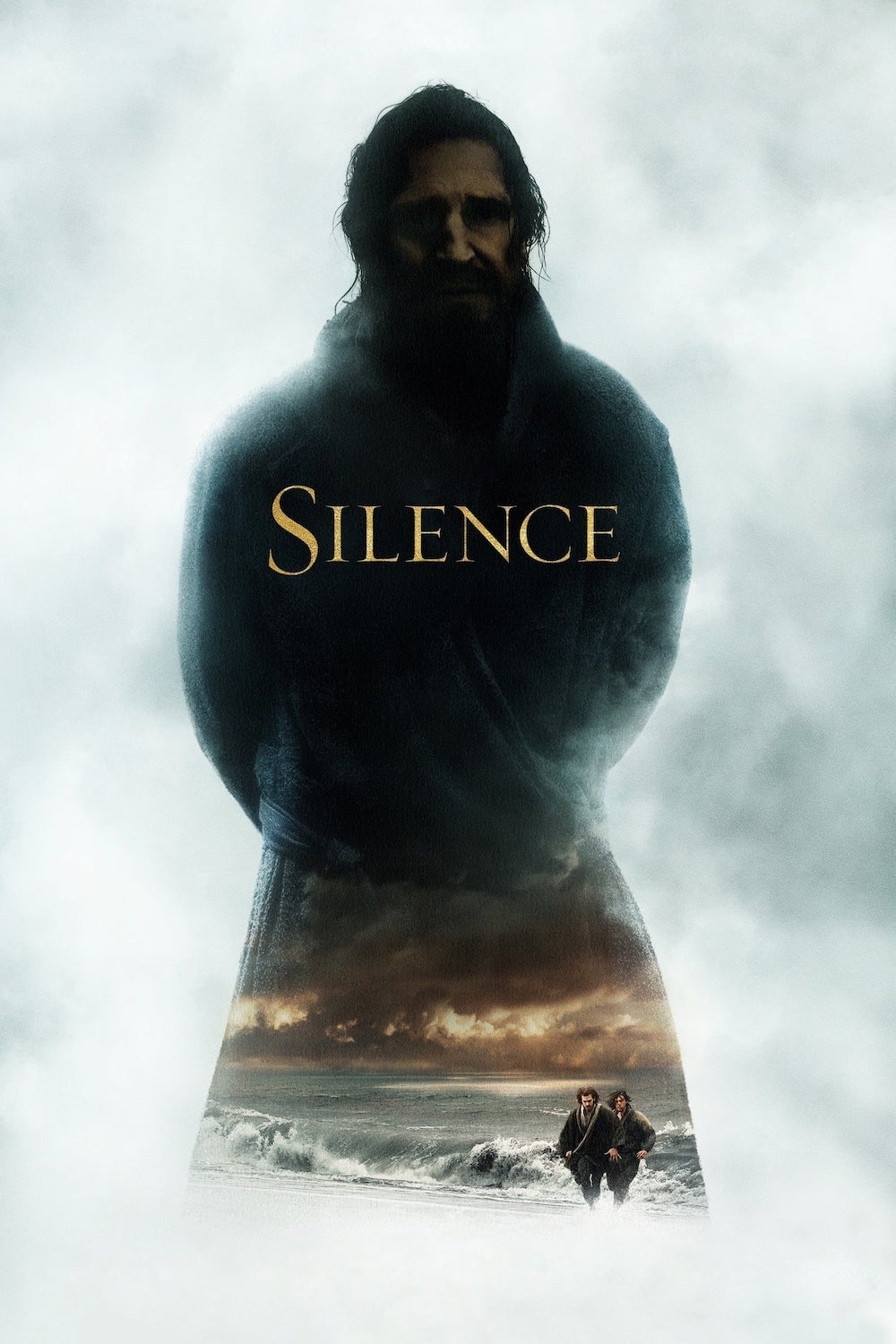
**_Great filmmaking, cast and locations, but strangely inert (overlong) story_** Released in late 2016 and directed by Martin Scorsese based on the novel by Shûsaku Endô, "Silence" chronicles events in 1640 when two Jesuit priests (Andrew Garfield & Adam Driver) journey to Japan to check on the persecuted church and find out what happened to their mentor, whom it is rumored fell from the faith (Liam Neeson). Issei Ogata is on hand as the sadistic, but seemingly reasonable Japanese inquisitor. The Jesuits were a society of Catholic missionaries started in 1540 in response to the spreading evangelism of the Protestant reformers. They were an essential part of the Roman counter-Reformation. With this in mind, the seeming Christianity portrayed in the movie is decidedly Catholic in nature, with the requisite unbiblical stuff, like confessions to priests, icons, rosary beads, etc. In tone and theme, "Silence" is reminiscent of movies like the excellent "Black Robe" (1991), the solid "The Mission" (1986) and the surprisingly great "Black Death" (see my review). There are also elements of "The Bridge on the River Kwai" (1957). If you appreciate any of these films you might appreciate "Silence," but it didn't work for me. Sure, Scorsese is a great auteur and so the filmmaking is top-of-the-line – the cinematography, the cast, the costuming, locations and score. Unfortunately, the story's not compelling and I never connected with the main character, despite Garfield's quality performance. There's some worthy mindfood (or spiritfood) to glean from the proceedings, however, like: Why does God allow the excruciating persecution of His faithful? Why is He silent? IS He silent? Can a believer be restored after cowardly denying the Lord in the face of torture/death? Can a Christian hide their faith while living in a thoroughly hostile culture? But I didn't buy for a second that the Japanese couldn't conceive of a Deity that transcends physical nature, like the sun, sea or mountain. While the idea may have been alien to their communal mindset at the time, it's absurd to think that no individual man or woman could discern the obvious (see Psalm 19:1 & Romans 1:20). Although I'm sorta glad I saw it, "Silence" is curiously dull and overlong; and so I never care to see it again. There are far superior movies that tackle similar topics. Those who give it the highest possible rating must be fanatical devotees of Scorsese. The movie runs 161 minutes and was shot in Taiwan and the Cathedral Of Saint Paul In Macau, China. GRADE: C-