
Status
Released
original language
English
Budget
$ 65000000
Revenue
$ 162100000
Top Billed Cast
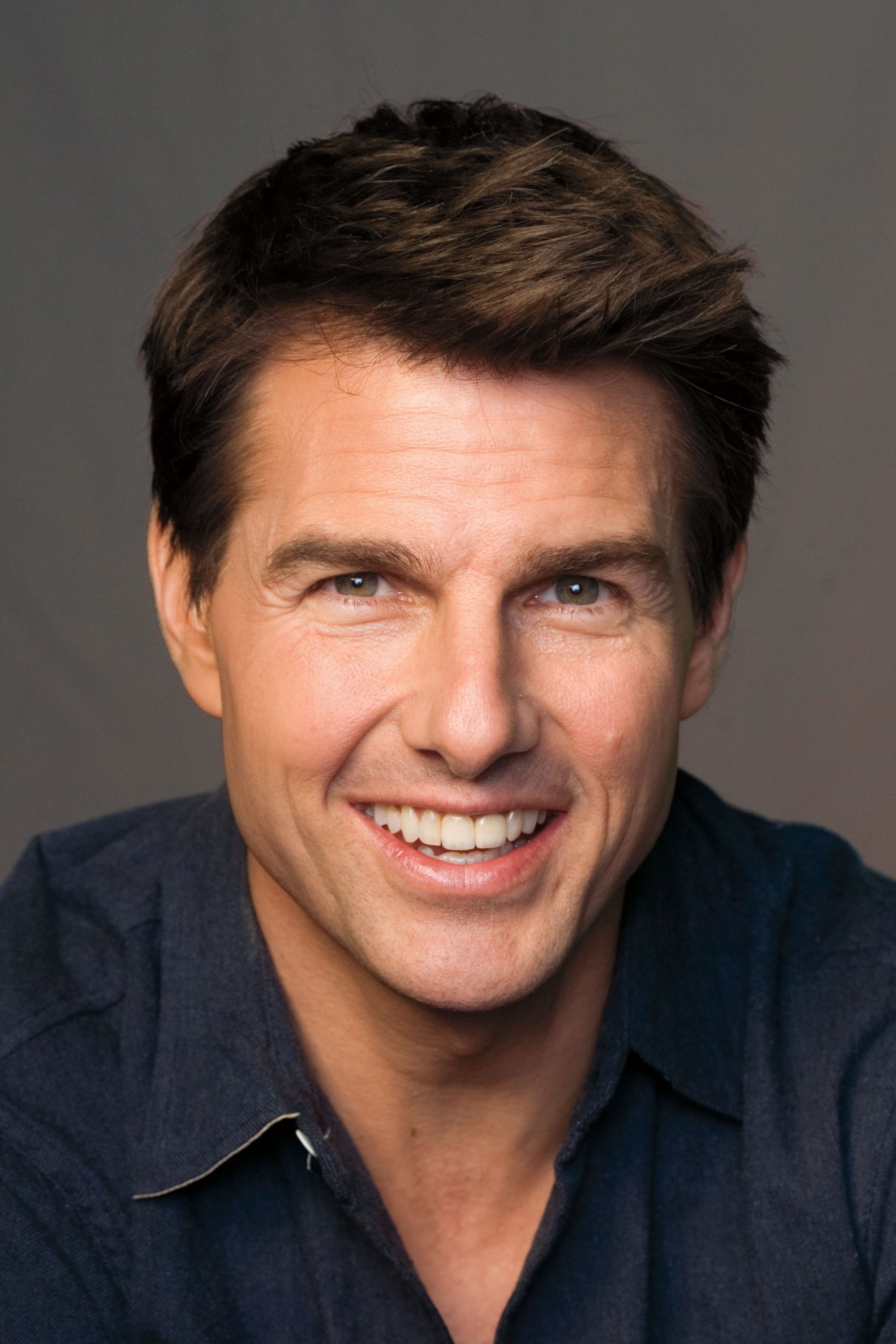
Tom Cruise
Dr. William Harford
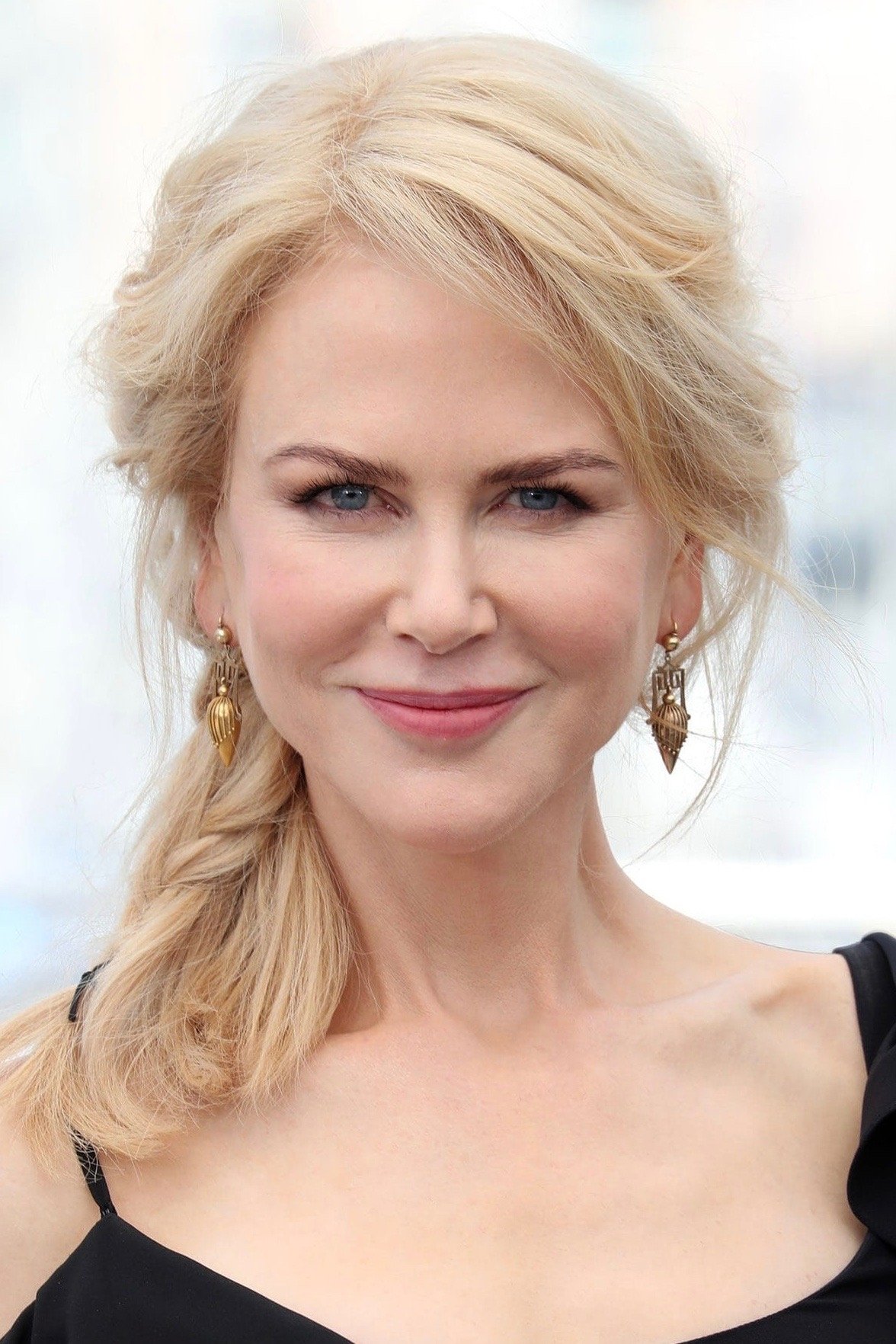
Nicole Kidman
Alice Harford
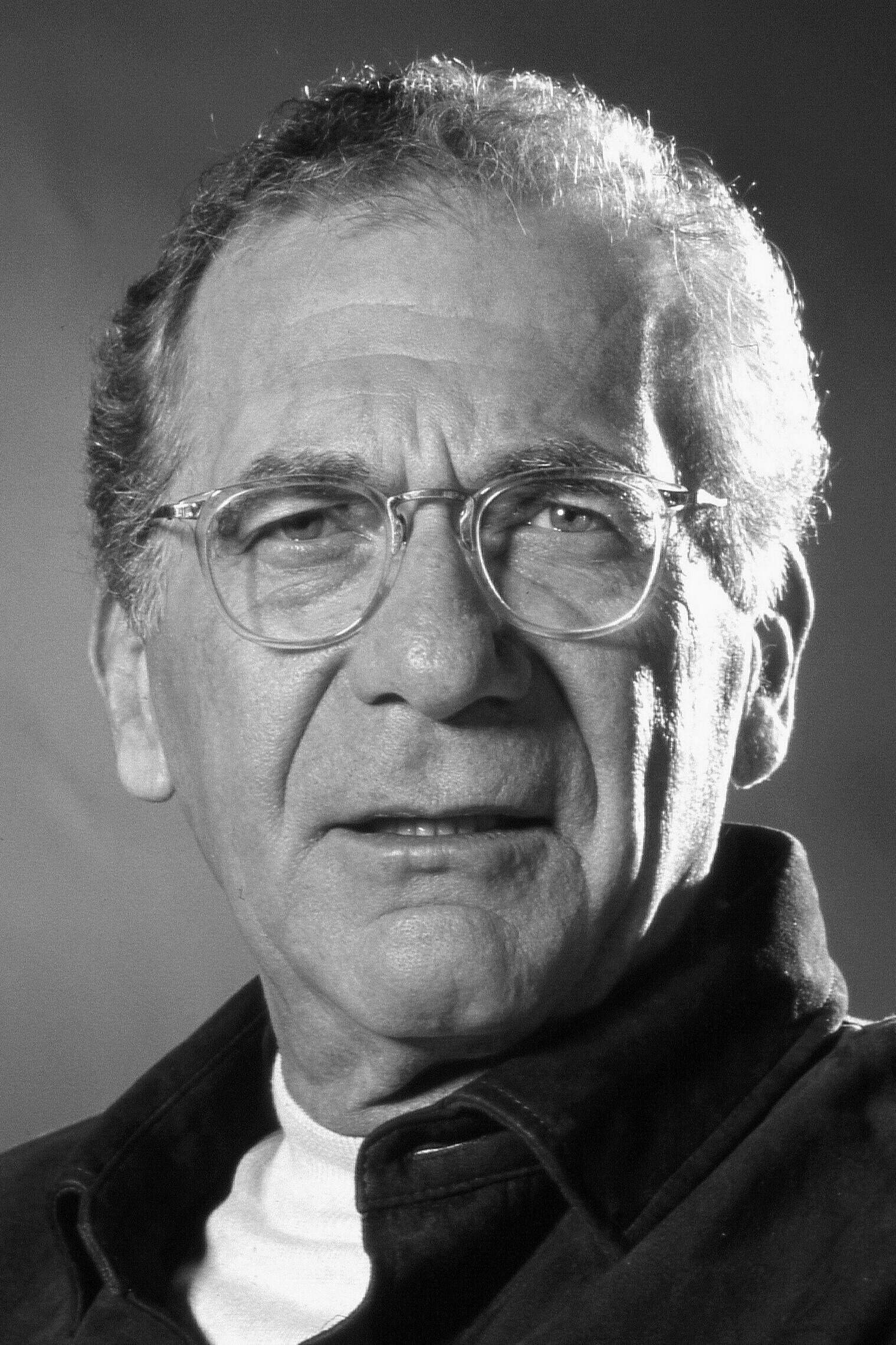
Sydney Pollack
Victor Ziegler

Marie Richardson
Marion
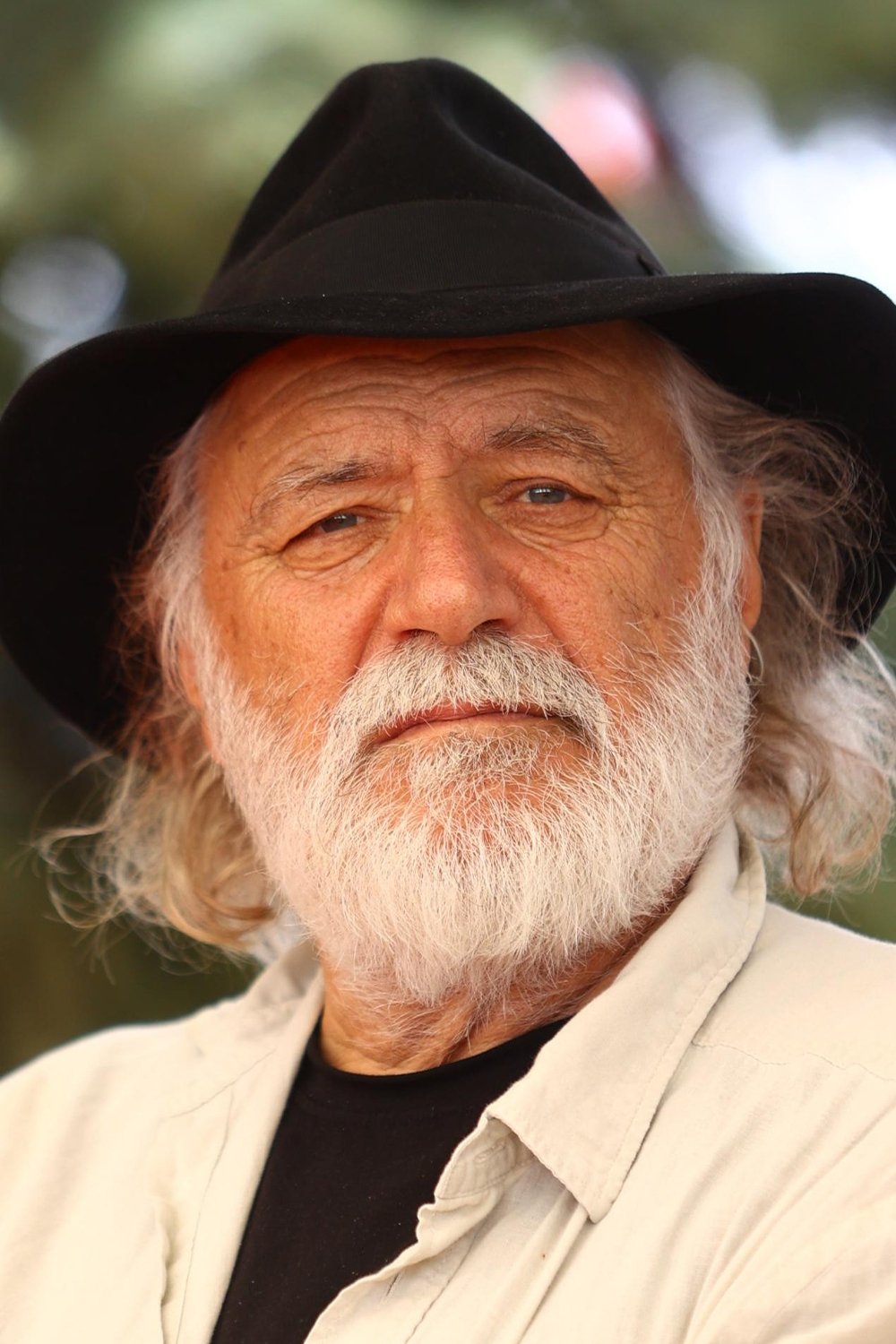
Rade Šerbedžija
Milich
Todd Field
Nick Nightingale

Vinessa Shaw
Domino
Alan Cumming
Desk Clerk
Sky du Mont
Sandor Szavost

Fay Masterson
Sally
Leelee Sobieski
Milich's Daughter
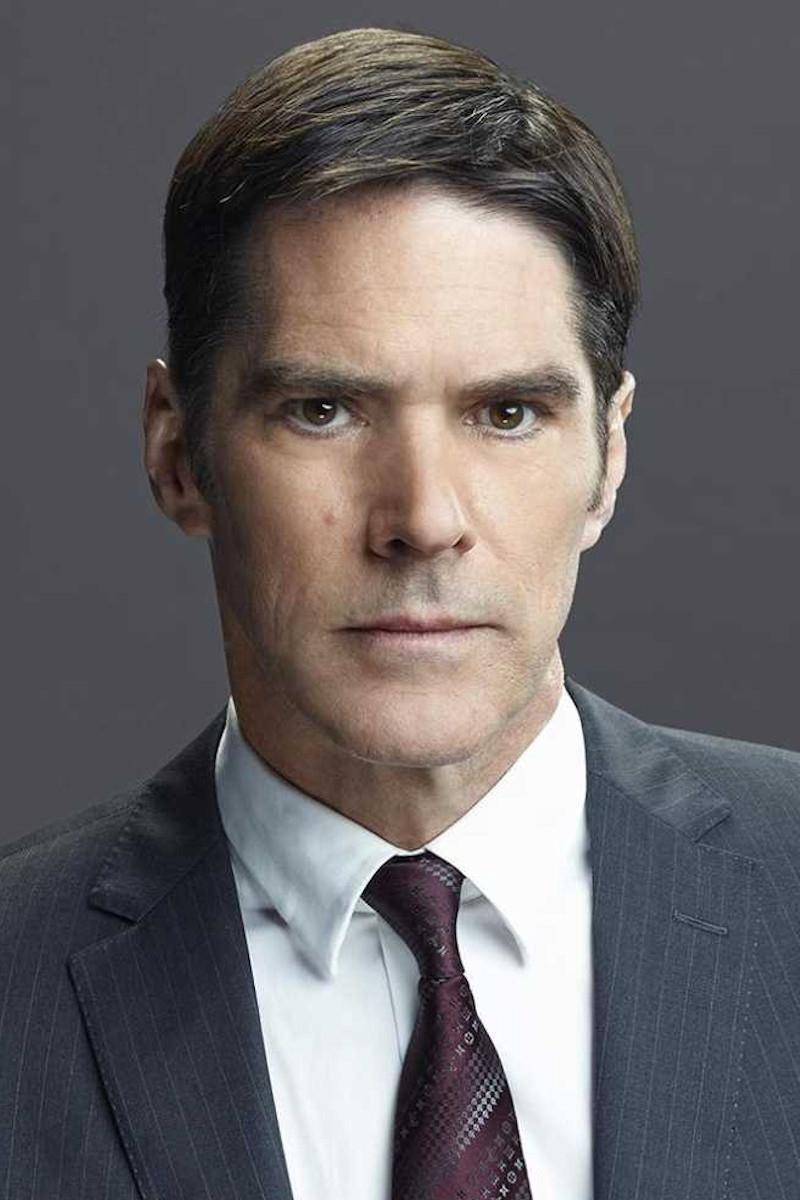
Thomas Gibson
Carl
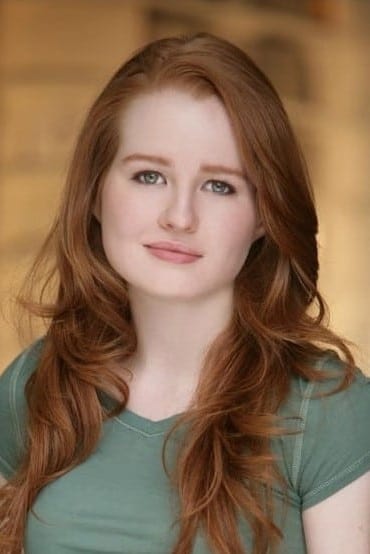
Madison Eginton
Helena Harford
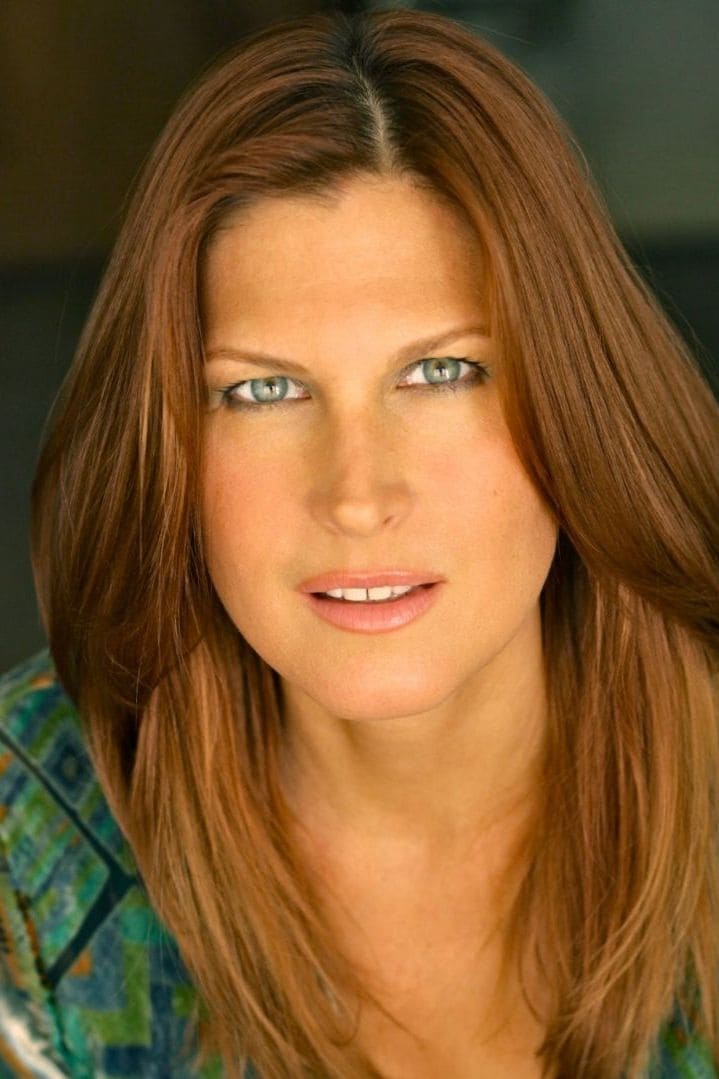
Julienne Davis
Mandy

Jackie Sawiris
Roz

Leslie Lowe
Illona
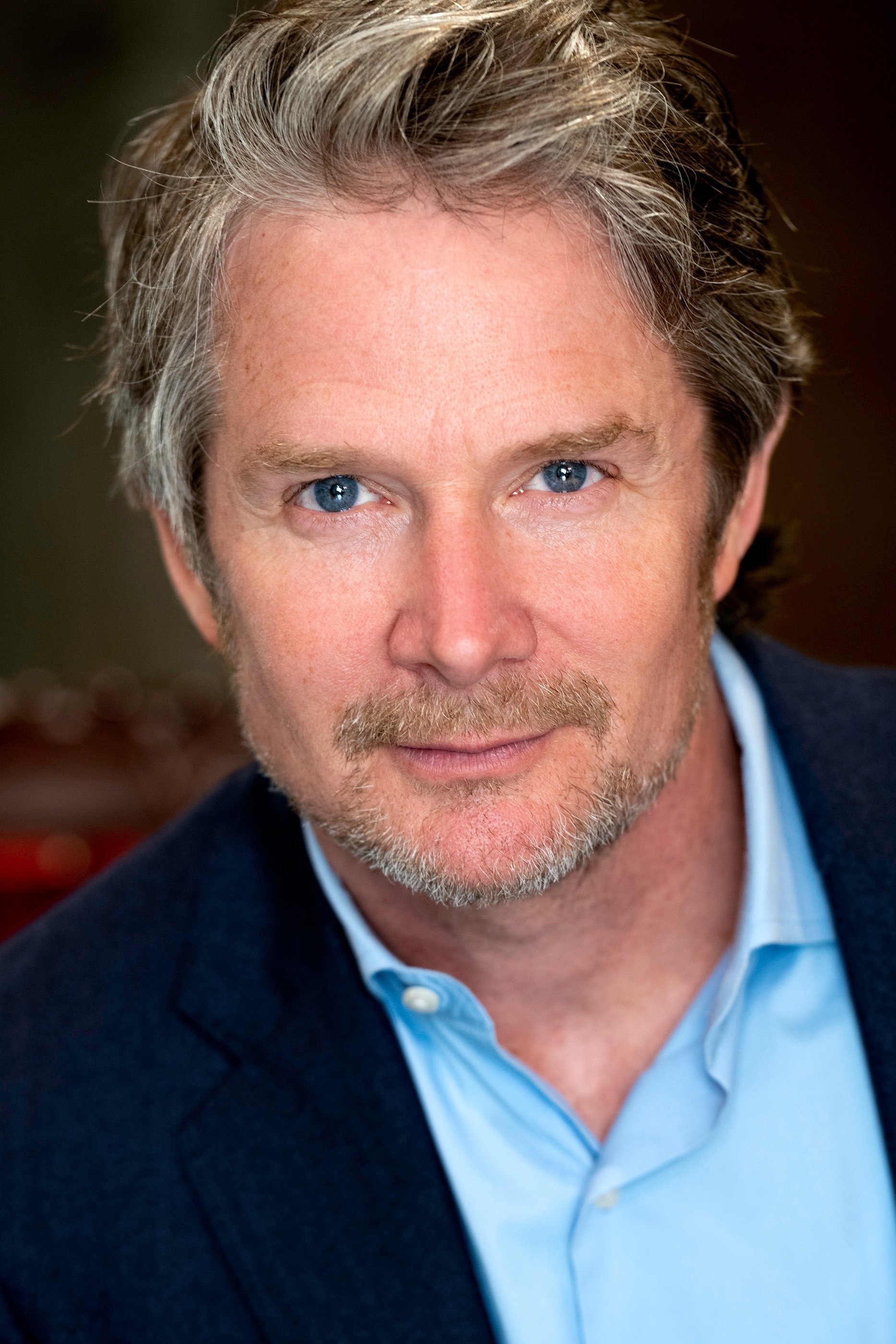
Peter Hans Benson
Bandleader

Michael Doven
Ziegler's Secretary
Louise J. Taylor
Gayle

Stewart Thorndike
Nuala
Randall Paul
Harris

Lisa Leone
Lisa
Kevin Connealy
Lou Nathanson
Mariana Hewett
Rosa
Dan Rollman
Rowdy College Kid
Gavin Parry
Rowdy College Kid
Chris Pare
Rowdy College Kid
Adam Lias
Rowdy College Kid
Christian Clarke
Rowdy College Kid
Kyle Whitcombe
Rowdy College Kid
Gary Goba
Naval Officer
Florian Windorfer
Maître D' - Café Sonata

Togo Igawa
Japanese Man #1
Eiji Kusuhara
Japanese Man #2
Sam Douglas
Cab Driver

Angus MacInnes
Gateman #1
Abigail Good
Mysterious Woman / Masked Party Principal
Brian W. Cook
Tall Butler
Leon Vitali
Red Cloak

Carmela Marner
Waitress at Gillespie's
Phil Davies
Stalker

Cindy Dolenc
Girl at Sharky's
Clark Hayes
Hospital Receptionist
Treva Etienne
Morgue Orderly
Colin Angus
Masked Party Principal
Karla Ashley
Masked Party Principal
Kate Charman
Masked Party Principal
James Demaria
Masked Party Principal
Tony De Sergio
Masked Party Principal
Janie Dickens
Masked Party Principal
Laura Fallace
Masked Party Principal
Vanessa Fenton
Masked Party Principal
Georgina Finch
Masked Party Principal
Peter Godwin
Masked Party Principal
Joanna Heath
Masked Party Principal
Lee Henshaw
Masked Party Principal
Ateeka Poole
Masked Party Principal
Adam Pudney
Masked Party Principal
Sharon Quinn
Masked Party Principal
Ben De Saumserez
Masked Party Principal
Emma Lou Sharratt
Masked Party Principal
Paul Spelling
Masked Party Principal
Matthew Thompson
Masked Party Principal
Dan Travers
Masked Party Principal
Russell Trigg
Masked Party Principal
Kate Whalin
Masked Party Principal

Cate Blanchett
Mysterious Woman (voice) (uncredited)
John N. Campbell
Masked Party Guest (uncredited)
Emilio D'Alessandro
Man at Newsstand (uncredited)
Paul Desbois
Ballroom Dancer (uncredited)
Donna Ewin
Masked Party Principal (uncredited)
Sam Heydon
Masked Party Principal (uncredited)
Alex Hobbs
Boy in Examination Room (uncredited)
Christiane Kubrick
Woman Behind Dr. Harford at Café Sonata (uncredited)
Katharina Kubrick
Mother of Boy in Examination Room (uncredited)
Graham Skidmore
Background Artist (uncredited)
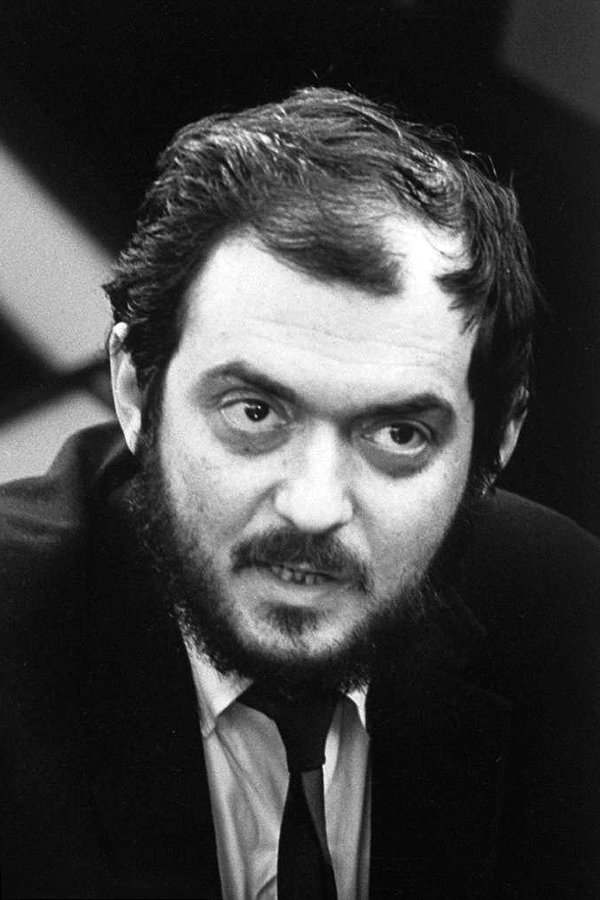
Stanley Kubrick
Man at Café Sonata (uncredited)
José Zapico
Panchero (uncredited)
Similar Movies



Movie Reviews

A review by FilipeManuelNeto
Written by FilipeManuelNeto on 2022-08-31
**It doesn't matter if it's Stanley Kubrick's best or worst. It's a movie that makes you think.** Stanley Kubrick is one of those filmmakers who didn't make a lot of films. Over the course of his forty-year career, he only made thirteen feature films. Very little... However, if we look closely, almost all of them are familiar and immediately entered the pantheon of cinema. They are not perfect films, nor was Kubrick perfect no matter how methodical he was, and there are films of his that are unpalatable (I've already written that in some of them). But each of them, for its reasons, is its own, a very different work. In this film, he makes a case study around desire, sexuality and how we, individually or as a couple, deal with it. The script follows a doctor and his wife. An apparently happy couple who, after a party where they both flirted with other people (without consequences), have a fight where she, perhaps to take away his self-confidence, confesses that she wanted to have another man, some time ago. The revelation leaves the doctor speechless. That night, he doesn't seem to know what he wants: he desires other women, but refuses their advances. But when a pianist friend tells him about a strange party, full of beauties, where he has to play blindfolded, he wants to see it up close. Yes, the party was a gigantic chic orgy, with touches of unholy religious ritual to accentuate the sense of sin and lust. Of course, the unwary guy ends up being discovered and unmasked… and from there, the film becomes denser, with the character increasingly afraid of what might happen to him. The film makes us think a lot about sexuality, monogamy, the importance we give to marital fidelity. I don't know what it was like in 1999, but today it's common to see couples in open relationships, or relatively discreet saunas and swing clubs that throw liberal parties with some regularity. There is still a universe apart – private parties, organized by social networks and for guests only – and it is true that the rich and famous are much more demanding with the reservation of their intimacy, especially when they do naughty things. But what the film proposes to us is, not so much the refusal of monogamy, but that we think about the way we give up all other sexual partners when we really fall in love. The notion of personal sacrifice runs through the entire film (a woman who gives up an erotic fantasy for love, another who proposes to die in order to save an innocent, a man who refuses sex because he is married) and indicates that the best bonds we create in life involve choices and sacrifices in exchange for something greater. In fact, to be happy in a marriage, you need to keep your eyes wide shut to temptations. With a very good and well written story, the film develops the characters very well and allows us to get to know them. For that, the film doesn't mind taking a slower pace that can leave some audiences exasperated. Decisive was the choice of Tom Cruise and Nicole Kidman for the main roles. At the time, they were Hollywood's pretty couple, and there's no doubt that Kubrick knew how to exploit their enormous personal and intimate chemistry, transporting it to the characters and the film. In fact, this may not be Kubrick's best film (that's relative!) but, for me, it's Cruise's best film so far. Technically, the film has many positives. Kubrick gave an almost maniacal attention to detail and took his time filming. And we can see how each scene was shot in a detailed way, with the camera moving precisely, cuts surgically made, very long and very well edited scenes, taking advantage of the excellent cinematography and sets (where, of course, the mansion of the party stands out). Even more important is the way the director was able to work with the environment and the tension, growing and almost palpable. There is a lot of nudity in this film, including frontal nudity (Kidman herself did scenes where she is practically naked) and some sex scenes that, if not explicit, are very visual. Even so, the film is not, surprisingly, very erotic. I think the director didn't want sex to distract us or cut that tension he was looking for. As for the sound and soundtrack, I think it does its job well, but I didn't find it particularly remarkable.