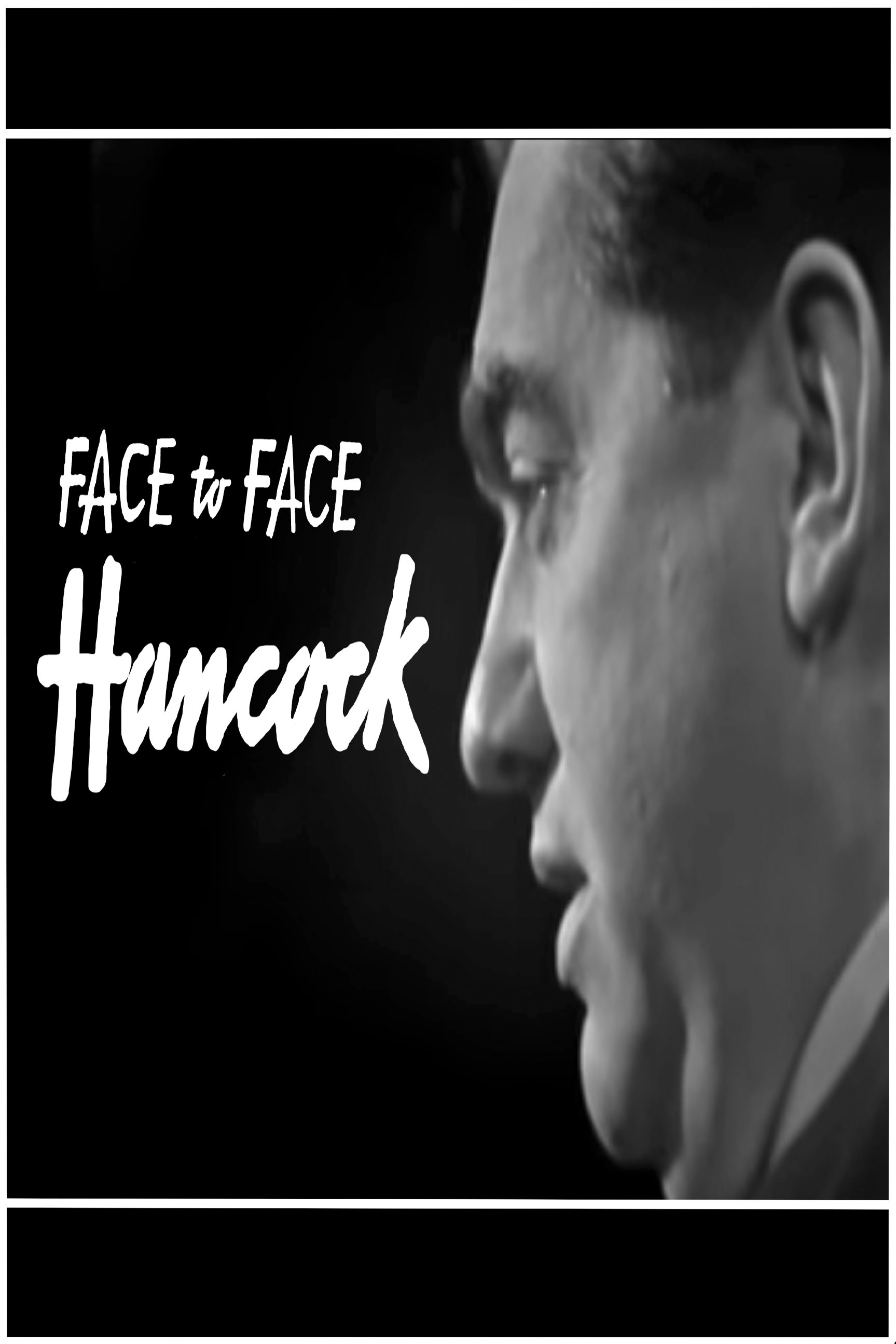
Face to Face: Tony Hancock
1960-02-17
Documentary
0h 30m
75%
Play Trailer
Overview
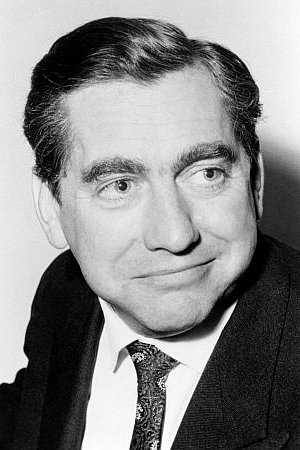
Tony Hancock engages in self-reflection, looking back at his childhood, his need to work, his health issues, and whether he could ever truly be happy. The program is believed to have played a role in his eventual downfall by amplifying his proclivity for self-criticism. During the interview, John Freeman posed probing questions about Hancock's life and career. Despite his admiration for the interviewer, Hancock seemed uneasy but responded candidly. Known for his inherent self-critical nature, it is frequently posited that this interview intensified that trait, ultimately contributing to his subsequent challenges. According to Roger, Hancock's brother, "It was the most significant misstep he ever took. I believe it all stemmed from that moment. Self-analysis - that became his undoing.
Hugh Burnett
Director
Face to Face: Tony Hancock
Play Trailer
1960-02-17
0h 30m
Documentary
Overview
Tony Hancock engages in self-reflection, looking back at his childhood, his need to work, his health issues, and whether he could ever truly be happy. The program is believed to have played a role in his eventual downfall by amplifying his proclivity for self-criticism. During the interview, John Freeman posed probing questions about Hancock's life and career. Despite his admiration for the interviewer, Hancock seemed uneasy but responded candidly. Known for his inherent self-critical nature, it is frequently posited that this interview intensified that trait, ultimately contributing to his subsequent challenges. According to Roger, Hancock's brother, "It was the most significant misstep he ever took. I believe it all stemmed from that moment. Self-analysis - that became his undoing.
Hugh Burnett
Director
Status
Released
original language
English
Budget
$ 0
Revenue
$ 0